

Avocado has become one of the most popular fruits in recent years, and for good reason — its versatility in the kitchen is remarkable, lending itself to countless recipes and preparations. But the fact that something tastes good does not automatically make it healthy. Fortunately, in the case of avocado, both are true. This fruit holds a wealth of health-supporting properties, and one of the easiest ways to benefit from them is through avocado oil — a concentrated, nutrient-rich form that makes daily supplementation simple.
How Is Avocado Oil Made and What Does It Contain?
Avocado (Persea americana) grows naturally in southern Mexico, but its surging popularity means it is now cultivated in warm climates around the world. The main avocado oil-producing countries include the United States, Mexico, South Africa, New Zealand, and Israel.
An interesting fact sets avocado oil apart from most other plant oils: while the majority of vegetable oils are pressed from seeds or nuts, avocado oil is extracted from the fruit's flesh. The pulp of a ripe avocado contains between 15% and 30% fat, and cold-pressing is widely regarded as the best method to preserve the oil's full nutritional value.
The composition of avocado oil is genuinely impressive. Its primary component is oleic acid — a monounsaturated omega-9 fatty acid that plays an important role in supporting cardiovascular function and digestive health. Beyond this, avocado oil contains a broad spectrum of vitamins A, C, E, K, and several B vitamins, along with pantothenic acid (vitamin B5) and folic acid. The mineral content is equally notable, including calcium, phosphorus, and potassium — all essential for normal body function.
It is worth noting that avocado oil is relatively high in calories due to its fat content. However, these are predominantly healthy monounsaturated fats that the body can use effectively.
Health-Supporting Properties of Avocado Oil
With such a diverse nutritional profile, avocado oil may support the body across multiple systems. Here are its most recognised potential benefits:
Immune function: The vitamin C content of avocado oil may contribute to the normal function of the immune system. Regular use could help the body maintain its natural defences, particularly during seasonal changes. Explore our immune system supplements for additional support.
Cardiovascular wellbeing: Oleic acid is one of the most studied monounsaturated fatty acids for its potential role in maintaining healthy cholesterol levels and supporting heart function. Avocado oil's combination of healthy fats and potassium may contribute to normal cardiovascular performance. For a broader approach to heart health, browse our cardiovascular support collection.
Brain and nervous system: The B vitamins found in avocado oil are recognised for their role in supporting the normal function of the nervous system. They may contribute to improved concentration, mental clarity, and overall mood balance.
Bone health: The combination of calcium, phosphorus, and vitamin K in avocado oil may support the maintenance of normal bones, contributing to strength and density over time.
Skin vitality: Vitamin E — one of the oil's key components — is a powerful antioxidant that contributes to the protection of cells from oxidative stress. It may support skin elasticity, radiance, and a more youthful appearance.
Avocado Oil in the Kitchen
The most common use for avocado oil remains culinary. It has a pleasant, mildly nutty flavour that complements dishes without overpowering them. Cold-pressed avocado oil works beautifully as a healthier alternative to standard cooking oils — though with one important caveat.
Like other cold-pressed oils, avocado oil is best used unheated to preserve its beneficial nutrients. High temperatures can break down its delicate fatty acids and vitamins. It is ideal as:
- A salad dressing — drizzled over fresh greens and vegetables
- A sandwich topping — adding richness and nutrition to everyday meals
- A finishing oil — stirred into soups, grain bowls, or pasta after cooking
- A smoothie ingredient — for an extra nutritional boost
Avocado Oil in Skincare
Avocado oil has earned a growing reputation in the skincare world, and for good reason. Its ability to penetrate deeply into the skin sets it apart from lighter plant oils, making it exceptionally effective for hydration.
Key skincare benefits include:
- Deep moisturisation — the oil reaches deeper layers of the epidermis, providing lasting hydration
- Anti-ageing support — its rich, nourishing texture may help reduce the appearance of fine lines and wrinkles
- Smoothing effect — regular use may contribute to a softer, more even complexion
- Sun protection support — avocado oil has traditionally been used to help protect skin during warmer months, though it should not replace dedicated sunscreen
- Blemish management — its soothing properties may complement anti-acne skincare routines
For those who prefer to support their skin from within, our hair, skin and nails supplements offer a range of targeted products.
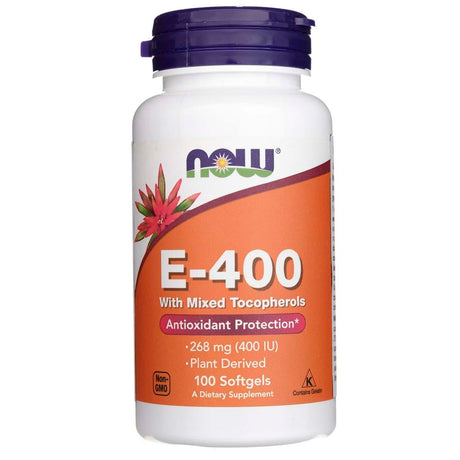


Now Foods
Now Foods E-400-vitamiini, jossa on sekoitettuja tokoferoleja - 100 pehmytkapseliä
Normaalihinta €16.09Yksikköhinta€0.16 per tuote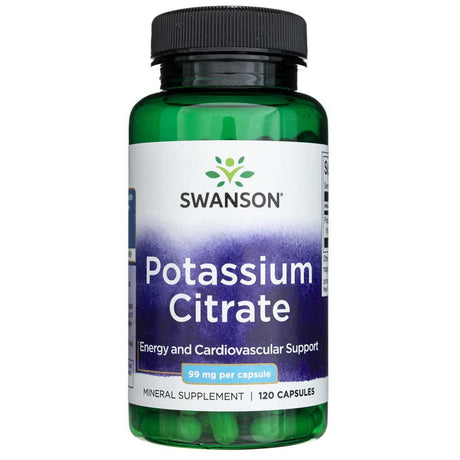


Swanson
Swanson Kaliumsitraatti 99 mg - 120 kapselia
Normaalihinta €7.29Yksikköhinta€0.06 per tuote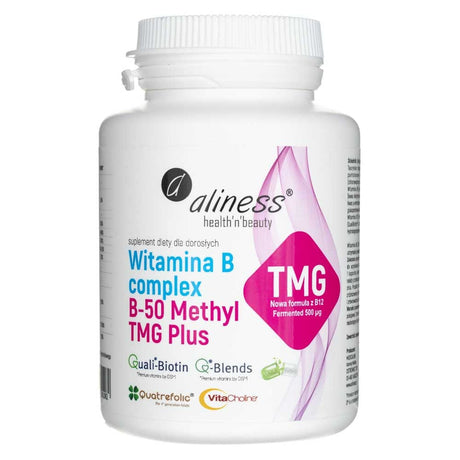


Aliness
Aliness B-vitamiinikompleksi B-50 Methyl plus TMG - 100 Veg-kapselia
Normaalihinta €19.79Yksikköhinta€0.20 per tuote


Aura Herbals
Aura Herbals Colladrop - nestemäinen kalakollageeni + C-vitamiini - 500 ml
Normaalihinta €12.99Yksikköhinta€25.98 /l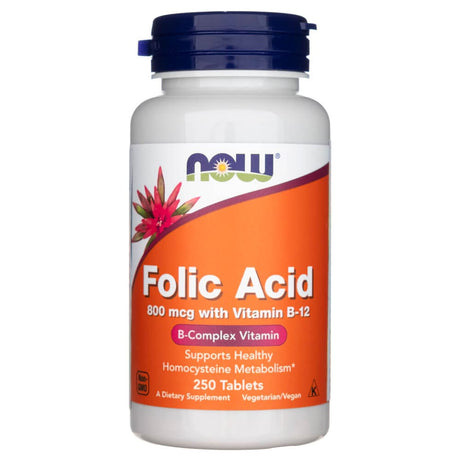


Now Foods
Now Foods Foolihappo 800 mcg B-12-vitamiinin kanssa - 250 tablettia
Normaalihinta €6.59Yksikköhinta€0.03 per tuote


Solgar
Solgar Folaatti 666 mcg DFE (Metafoliini ® 400 mcg) - 100 tablettia - 100 tablettia
Normaalihinta €15.59Yksikköhinta€0.16 per tuote


How to Take Avocado Oil
There are no strict rules for consuming avocado oil, which makes it one of the easiest health-supporting oils to incorporate into daily life. It is safe for everyday use, either added to meals or taken on its own. A common recommendation for adults is one to two tablespoons per day — enough to benefit from its nutritional profile without excessive caloric intake.
How to Choose and Store Avocado Oil
To get the most from avocado oil, quality selection and proper storage are essential:
- Cold-pressed — always choose oil extracted at low temperatures to ensure the full spectrum of nutrients is preserved
- Unrefined — refined avocado oil loses many of its most valuable health-supporting compounds during processing
- Dark glass bottle — protects the oil from light-induced degradation, keeping it fresh and potent for longer
- Check the date — freshness matters; always review the production and expiry dates before purchasing
Storage
As with other cold-pressed plant oils, avocado oil should be stored in a cool, dark place at temperatures between 0°C and 20°C. Avoid direct sunlight and heat exposure. Once opened, the oil typically remains usable for three to four months, so purchase a size that matches your consumption rate.
A Versatile Oil Worth Discovering
Avocado oil stands out among plant-based oils for its uniquely rich composition — extracted from the fruit's flesh rather than seeds, it delivers a concentrated blend of oleic acid, essential vitamins, and minerals that may support everything from cardiovascular health to skin vitality. Whether you use it as a salad dressing, a natural skincare ingredient, or a daily supplement, cold-pressed avocado oil is a versatile addition to any health-conscious lifestyle. Browse our cooking oils and vinegars to explore more quality options for your kitchen and wellbeing routine.
Key Takeaway: Avocado oil is a nutrient-dense supplement rich in oleic acid, vitamins A, C, E, K, and B-group, plus essential minerals. Use it cold for maximum benefit, choose unrefined cold-pressed oil in dark glass, and store it in a cool place for three to four months after opening.
Tämä artikkeli on tarkoitettu vain tiedoksi, eikä se korvaa lääkärin neuvoja. Jos sinulla on terveysongelmia, olet raskaana, imetät tai käytät lääkkeitä, kysy neuvoa lääkäriltä tai apteekista. Ravintolisät eivät korvaa monipuolista ruokavaliota.


