

Winter can be tough on the body. Snow and frost make getting around harder, cold temperatures increase the risk of catching a cold or flu, and dry air takes a heavy toll on the skin. On top of that, months of limited sunlight leave many of us feeling drained and sluggish. Getting through the coldest season in good shape is a challenge — but it is absolutely possible with the right approach.
The body relies on sunlight to produce vitamin D, and during winter this essential nutrient drops to chronically low levels across much of Europe. Vitamin D does far more than support bone health — it also influences the condition of your hair, skin, and nails, as well as your mood. That is why increasing your intake during the darker months is so important. A quality vitamin D supplement can help bridge the gap when sunlight is scarce.
But winter is especially ruthless when it comes to skin. Indoors, central heating dries the air. Outdoors, freezing temperatures and wind strip moisture away. The result is skin that feels tight, grey, and dehydrated — and in some cases, even atopic conditions that are difficult to manage. Cracking, peeling, and bleeding are not uncommon when skin goes without proper protection.
How to Take Care of Your Skin in Winter
The good news is that there are proven ways to keep your skin healthy throughout the cold months. This is not just about sensitive skin — without the right support, every skin type struggles in winter. Extremely dry patches can develop anywhere on the body, causing a stinging, burning sensation. If cracks become contaminated, they may even trigger allergic reactions.
So how do you tackle this annual problem?
Choose the Right Skincare Products
This is one of the most important factors in maintaining healthy winter skin. Cold weather creates extreme conditions, so your body lotions, creams, and butters should be rich in ingredients that protect, hydrate, and repair. Ideally, look for hygroscopic substances — ingredients that attract and bind water molecules.
Hyaluronic acid is a prime example. It prevents the skin from losing water and delivers powerful hydration at the same time. Another excellent ingredient is glycerine, which does not just work on the surface. It penetrates deeper layers of the skin, helping them retain moisture while intensely hydrating the outer layer. Always check the ingredient list of your winter skincare products and make sure these substances are present.
Layer With Oils
Oils serve a slightly different purpose than standard moisturisers. Their main role is to prevent water loss by creating a protective barrier on the skin's surface. For best results, apply oil on top of your cream to seal in moisture and boost its effectiveness. Excellent winter choices include jojoba, linseed, and macadamia oil — all known for their nourishing and occlusive properties.
Say No to Hot Showers and Baths
A steaming hot shower might feel like the best idea on a freezing day, but in the long run it damages the skin. Hot water strips away the protective lipid layer of the epidermis, leaving it more vulnerable to cold, wind, and other environmental aggressors once you step outside. Stick to lukewarm water instead — your skin will thank you.
Skip Harsh Scrubs
Everyone enjoys a deep exfoliation now and then, and coarse-grain scrubs are a popular way to do it. However, during winter, this type of intense exfoliation does more harm than good. Just like hot water, aggressive scrubs compromise the skin's protective barrier, leaving it even more susceptible to frost damage, cracking, and irritation.
The alternative? An enzymatic peel — it dissolves dead skin cells without physically disrupting the delicate surface layer. A gentle sugar or salt scrub with fine particles can also work well without causing damage.
Moisturise, Moisturise, Moisturise
During winter months, moisturising should become a non-negotiable part of your daily routine — ideally twice a day for the entire body, morning and evening after bathing. Hands can and should be moisturised even more frequently throughout the day. Choose rich balms or creams containing glycerine or hyaluronic acid, and do not be afraid of thicker, fattier formulations — lightweight lotions simply are not enough in freezing weather.
It is especially critical to moisturise after every shower or bath. Cleansing products remove part of the skin's natural protective layer, so replenishing moisture immediately afterwards is essential. Do not forget your feet either — a cream containing urea will soften rough, cracked skin on the heels and soles.


 10% alennus
COSRX
COSRX Hyaluronihappo Hydra Power Essence - 100 ml
Alennushinta €16.55 Normaalihinta €18.39Yksikköhinta€165.50 /l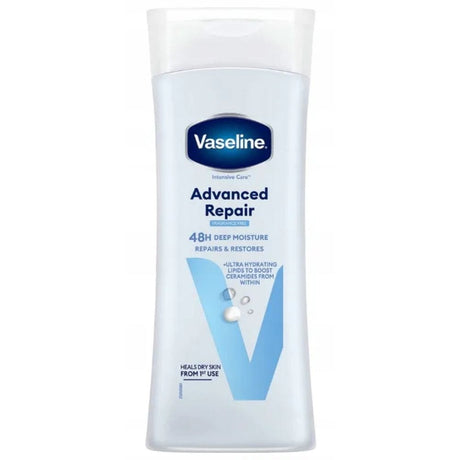
Vaseline
Vaseline Advanced Repair Regenerating Body Lotion - 400 ml
Normaalihinta €5.39Yksikköhinta€13.48 /l

Pullach Hof
Pullach Hof Hornhaut Urea-balsami - 250 ml
Normaalihinta €4.09Yksikköhinta€1.64 /100 ml

Palmer's
Palmer's Cocoa Butter Formula Kosteuttava jalkavoide - 60 g.
Normaalihinta €6.99Yksikköhinta€11.65 /100 g


How to Protect Your Hands in Winter
Hands are particularly exposed to low temperatures and wind. The basic rule is simple: always wear gloves outdoors. But we all know there are moments when you need to dig through a pocket, reply to a message, or realise you left your gloves at home. That is why the skin on your hands must be thoroughly nourished before every outing, after every hand wash, and regularly throughout the day. Rich, fatty hand creams or even pharmacy-grade ointments work best.
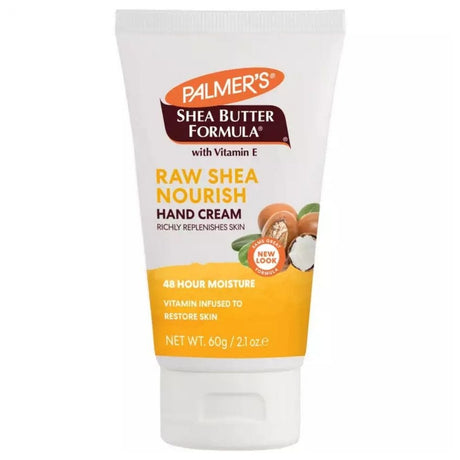
Palmer's
Palmer's Shea Butter Formula RAW Käsivoide - 60 g
Normaalihinta €4.09Yksikköhinta€6.82 /100 g
Palmer's
Palmer's Cocoa Butter Formula Concentrated Hja Cream - 60 g.
Normaalihinta €3.89Yksikköhinta€6.48 /100 g

How to Protect Your Lips in Winter
Just like hands, lips need plenty of nourishment — arguably even more. Lips have no sebaceous glands whatsoever, which means they produce zero natural protective layer on their own. That is why they chap, crack, and eventually bleed so quickly in cold weather. Licking your lips in the frost only makes things worse, as saliva evaporates rapidly and dries them out further.
The solution is a good lip balm containing plant-based fats or wax, or plain petroleum jelly. Apply generously before heading outside, and reapply throughout the day as needed. Browse our lip care collection for protective balms and treatments that keep lips soft and hydrated all winter long.
What About Your Face?
Your face needs a shift in routine too. Swap lightweight, watery creams for something richer and more substantial. Look for products containing ingredients with water-binding properties — these prevent your face from losing moisture in harsh conditions. At the same time, the cream should be deeply hydrating and enriched with nourishing oils.
If the product also has soothing properties, even better. A calming formula can help reduce irritation when the skin has already become dry and sensitised. Ceramide-based creams are an excellent winter choice, as they reinforce the skin's natural barrier while delivering lasting hydration.


Etude
Etude SoonJung 2X Barrier Intensive Cream - 60 ml
Normaalihinta €15.89Yksikköhinta€26.48 /100 ml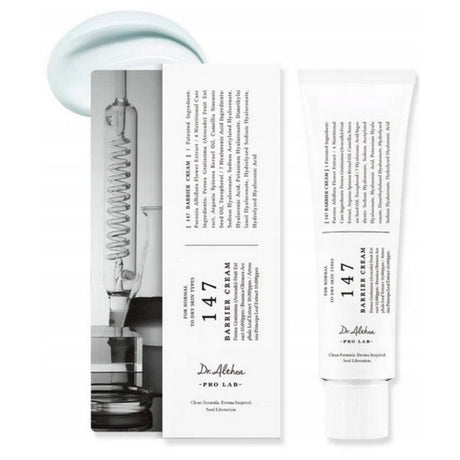

Dr.Althea
Dr. Althea 147 Barrier Nourishing, Vahvistava kasvovoide - 50 ml
Normaalihinta €18.39Yksikköhinta€36.78 /100 ml


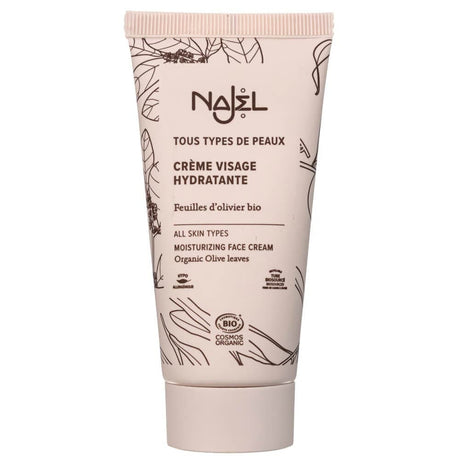


Najel
Najel Kosteuttava kasvovoide, jossa on oliiviöljyä ja laakeriöljyä - 50 ml
Normaalihinta €7.89Yksikköhinta€15.78 /100 ml


Do Not Forget What Is Happening on the Inside
Healthy, resilient winter skin is not only about what you put on it — it is also about what you put in your body. Hyaluronic acid supplements can support skin hydration from within, while collagen contributes to skin elasticity and repair. Combined with adequate vitamin D intake and a balanced diet rich in healthy fats, an inside-out approach can make a noticeable difference in how your skin handles the cold.
Explore our hair, skin, and nails supplements for products that support your skin through the toughest season of the year.
Key Takeaway: Winter skin care is all about prevention — rich moisturisers, gentle cleansing, protective barriers, and internal support. With consistent effort, there is no reason your skin cannot stay nourished and comfortable even in the coldest months.
Tämä artikkeli on tarkoitettu vain tiedoksi, eikä se korvaa lääkärin neuvoja. Jos sinulla on terveysongelmia, olet raskaana, imetät tai käytät lääkkeitä, kysy neuvoa lääkäriltä tai apteekista. Ravintolisät eivät korvaa monipuolista ruokavaliota.


