

Good oral hygiene starts earlier than most parents expect — dentists recommend beginning gentle cleaning as soon as the first milk tooth appears. But choosing the right toothpaste for a baby or young child is not as straightforward as picking one from the children's shelf. The wrong formula can do more harm than good. Here's what you actually need to know.
When Should You Start Brushing?
Oral care ideally begins even before the first tooth arrives. Gently wiping a newborn's gums with a chamomile-soaked cotton pad helps establish the habit and removes bacteria from the start. Once teething begins and the first milk tooth breaks through, a soft silicone brush can be introduced — and with it, an appropriate toothpaste. Milk teeth matter far more than many people assume: untreated decay in baby teeth can lead to premature loss, which in turn causes alignment problems and serious orthodontic complications later. Prevention is always easier than treatment.
Fluoride or Fluoride-Free? The Most Important Question
Fluoride is the most effective cavity-fighting ingredient in toothpaste. It integrates into tooth enamel, forming fluorapatite — a compound that's significantly more resistant to acid and bacteria than natural enamel alone. For older children and adults, fluoride toothpaste is straightforwardly beneficial.
For infants and children under approximately two years of age, however, the picture is more complicated. Young children cannot reliably spit out toothpaste, which means they swallow most of what goes in their mouths. Ingested fluoride in excess can interfere with calcium absorption and, with prolonged overconsumption, may contribute to dental fluorosis — white spots, streaking, or pitting of the enamel. This is why fluoride-free formulas exist specifically for the youngest age group. Once a child can spit consistently and reliably, a low-fluoride children's toothpaste becomes appropriate, and the amount should always match age guidelines.
What Fluoride-Free Toothpaste Contains Instead
The best fluoride-free toothpastes for infants rely on xylitol — a natural sugar alcohol derived from birch bark. Unlike ordinary sugar, xylitol doesn't feed oral bacteria; it actively reduces bacterial populations and stimulates saliva production, which helps flush microbes from the mouth naturally. It also gives the paste a pleasant, mild sweetness that makes the brushing routine more acceptable to reluctant toddlers.
Beyond xylitol, good infant toothpastes typically contain plant extracts with antibacterial, anti-inflammatory, and soothing properties — chamomile, aloe vera, and calendula are among the most common. These ingredients are safe if swallowed in small amounts and provide added comfort during teething, when gums are sore and sensitive.


Pierpaoli
Pierpaoli Bioconte Baby Paste ensimmäisestä hampaasta lähtien Aloe Veralla ja kamomillalla - 75 ml
Normaalihinta €3.49Yksikköhinta€4.65 /100 ml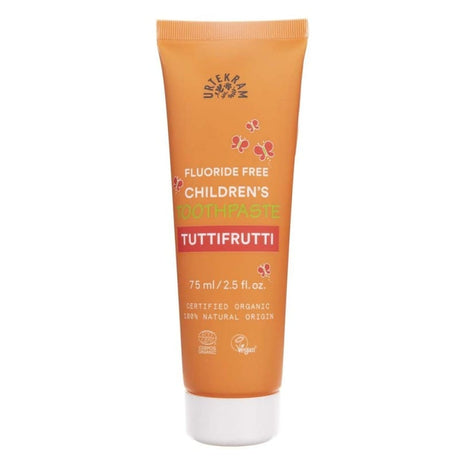

Urtekram
Urtekram Lasten hammastahna Fluoriditon, Tuttifrutti - 75 ml
Normaalihinta €6.19Yksikköhinta€82.53 /l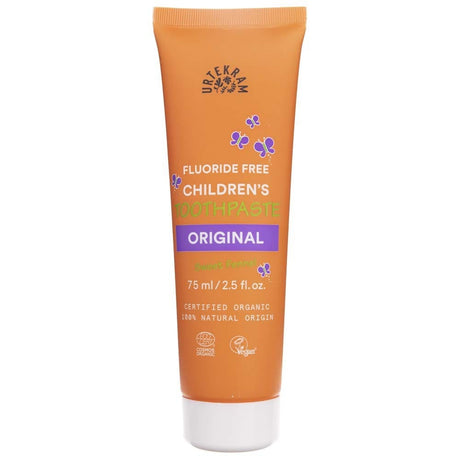

Urtekram
Urtekram Lasten hammastahna Fluoriditon, Natural - 75 ml
Normaalihinta €5.59Yksikköhinta€74.53 /l


What to Avoid in Children's Toothpaste
The ingredient list is the only reliable guide when choosing a toothpaste for a child. Ignore the packaging design, flavour marketing, and even the age ranges on the label — these are not regulated in the same way as the formula itself. Ingredients to actively avoid include:
- SLS (sodium lauryl sulphate) — a foaming agent that can irritate mucosal tissue and worsen mouth ulcers
- Parabens — preservatives with potential hormonal disruption effects
- Artificial dyes and flavourings — unnecessary and potentially allergenic
- Polyethylene glycols (PEG/PPG) — associated with mucosal permeability issues
- Artificial sweeteners — no place in a product designed for children's health
The safest children's toothpastes have short, natural ingredient lists — organic or certified-natural formulas from brands with a clear commitment to clean formulation. You'll find a carefully curated selection in our children's hygiene collection.
Choosing the Right Toothbrush Matters Too
Even the best toothpaste won't work well with the wrong brush. For very young children, silicone finger brushes or ultra-soft bristle brushes with small heads are the right choice — they're gentle on developing gums and reach the back surfaces of tiny teeth. As children grow, sonic toothbrushes designed for children offer a significant cleaning upgrade while still being safe for young enamel. The key criteria: soft bristles, small head, and handles sized for small hands — or for a parent's hand during the years when the adult still does the brushing.
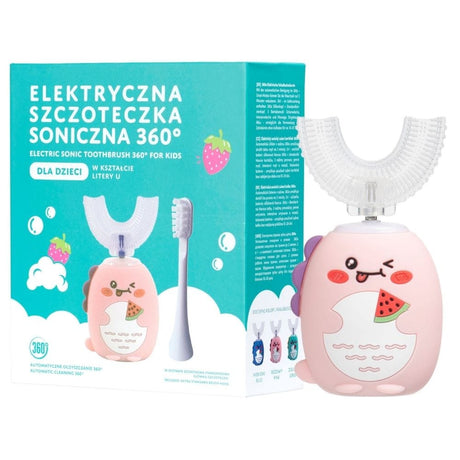


Simed
Simed Äänihammasharja 360 lapsille U-muotoinen 2 in 1 - vaaleanpunainen
Normaalihinta €19.59Yksikköhinta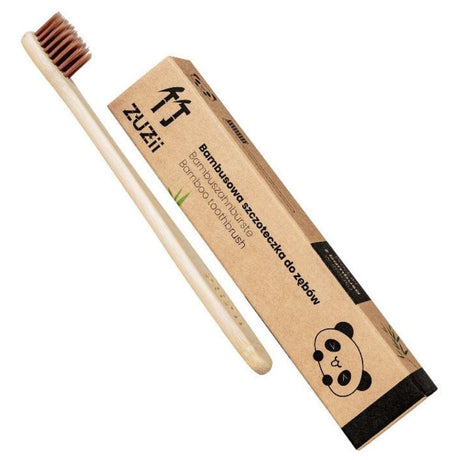

Zuzii
Zuzii Bamboo -hammasharja lapsille, Pehmeät harjakset, Ruskea
Normaalihinta €2.59Yksikköhinta€2.59 per tuote


Tämä artikkeli on tarkoitettu vain tiedoksi, eikä se korvaa lääkärin neuvoja. Jos sinulla on terveysongelmia, olet raskaana, imetät tai käytät lääkkeitä, kysy neuvoa lääkäriltä tai apteekista. Ravintolisät eivät korvaa monipuolista ruokavaliota.


