

Folliculitis — inflammation of the hair follicles — can affect any area of the body where hair grows: the scalp, face, arms, legs, and intimate areas. It is a particularly frustrating condition because it can range from mild, transient irritation to persistent, recurring episodes that significantly impact skin comfort and appearance. Understanding what causes it, how to recognise it, and what steps prevent it from developing or recurring is the foundation of effective management.
What Is a Hair Follicle?
A hair follicle is a small tube-shaped structure embedded in the skin from which a hair grows. Each follicle contains the hair root — the living, actively dividing base of the hair shaft — along with associated sebaceous (oil) glands that produce sebum, the skin's natural protective lubricant. Follicles are not merely passive channels for hair growth: they are dynamic structures involved in temperature regulation, wound healing, and skin barrier maintenance. Because they are connected to the skin surface through a narrow opening, they are also vulnerable to blockage and infection — which is the starting point for most cases of folliculitis.
What Is Folliculitis and How Does It Look?
Folliculitis (folliculitis) is inflammation of one or more hair follicles, typically presenting as red, raised bumps or pustules centred on a hair shaft. It can occur as a single isolated lesion or in clusters, and may affect any hair-bearing area. The condition ranges from superficial and self-resolving to deep, persistent, and potentially scarring.
The characteristic symptoms include red, itchy papules or pustules around hair follicles; tenderness or pain on pressure; warmth and swelling around affected areas; potential for discharge or crust formation; skin flaking around the lesions; and in more advanced or untreated cases, spreading to adjacent follicles. These symptoms warrant attention rather than self-treatment with over-the-counter products, as the underlying cause significantly influences the most appropriate management.
Causes of Hair Follicle Inflammation
Folliculitis has several distinct causes, and identifying the correct one determines which approach will be effective. The most common include:
- Bacterial infection — the most frequent cause. Staphylococcus aureus is responsible for the majority of bacterial folliculitis cases. The bacteria enter through small breaks in the skin surface — microabrasions from shaving, insect bites, or minor trauma — and colonise the follicle.
- Mechanical damage — shaving, waxing, epilating, and friction from tight clothing are all significant risk factors. These activities can create microtrauma that disrupts the follicle's protective barrier, allowing bacteria or fungi to establish themselves.
- Blocked sebaceous glands — when excess sebum, dead skin cells, or occlusive cosmetics block the follicle opening, the resulting environment is hospitable to microbial overgrowth.
- Fungal infection — Malassezia species (a yeast naturally present on skin) can cause a distinct form of folliculitis, sometimes called pityrosporum folliculitis, which is more common on the back, chest, and shoulders.
- Excessive sweating — increased moisture on the skin surface favours bacterial and fungal proliferation, particularly in skin folds and areas covered by clothing.
- Weakened immune function — individuals with compromised immunity (whether from illness, medication, or chronic stress) are more susceptible to folliculitis and may experience more severe or persistent episodes.
- Underlying skin conditions — acne, psoriasis, eczema, and seborrhoeic dermatitis can all increase the risk of folliculitis by altering the skin's normal barrier function and microbial balance.
- Environmental and chemical irritants — prolonged exposure to industrial chemicals, certain skincare ingredients, or contaminated water (notably "hot tub folliculitis" caused by Pseudomonas aeruginosa) can trigger inflammation.
- Cosmetic procedures — chemical peels, microdermabrasion, and certain laser treatments temporarily compromise the skin barrier, creating a window of increased infection risk.
Folliculitis on the Legs: Causes and Prevention
The legs are among the most commonly affected areas, particularly in people who regularly shave or use other hair removal methods. Shaving-related folliculitis results from microabrasions caused by the razor blade; these are an entry point for bacteria and can also cause ingrown hairs, which in turn cause follicular inflammation even without microbial involvement.
Preventive measures for leg folliculitis include always shaving with a clean, sharp razor (dull blades require more pressure and cause more tissue damage); using a generous amount of shaving gel or foam and always shaving in the direction of hair growth; applying an alcohol-free moisturiser or soothing lotion after hair removal; exfoliating the legs regularly to prevent dead cell accumulation and blocked follicles; and avoiding tight synthetic fabrics that trap moisture and create friction against freshly shaved skin.
When symptoms do appear on the legs — typically small red bumps that may develop into pustules — antiseptic treatment of the area and temporarily avoiding hair removal of the affected zone usually resolves mild cases within a few days.
Folliculitis on the Scalp
Scalp folliculitis typically presents as itchy, tender red bumps or pustules at the hairline or distributed across the scalp. Causes include bacterial infection, seborrhoeic conditions involving Malassezia yeast overgrowth, excessive product build-up, over-washing or under-washing, and aggressive styling practices such as tight braiding or intensive heat styling that stress the follicle.
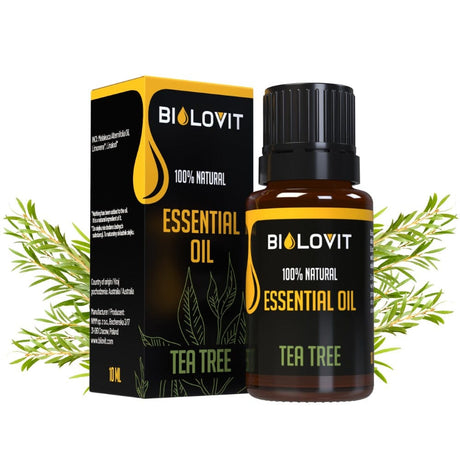
Management of scalp folliculitis centres on gentle, regular cleansing to maintain a balanced scalp microbiome without stripping protective oils; avoiding silicone-heavy styling products that occlude follicle openings; reducing heat styling; and using targeted treatments where appropriate. Tea tree oil — with its well-documented antibacterial and antifungal properties — is a commonly recommended natural option for scalp conditions, and is available in both essential oil form for diluted application and in dedicated scalp care formulations.




Bilovit
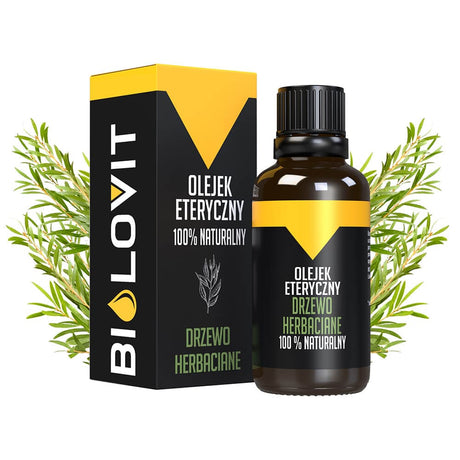
Bilovit eteerinen öljysarja antiseptisillä ominaisuuksilla - 3 kpl
Normaalihinta €6.59Yksikköhinta€21.97 /100 ml


Some by Mi
Some by Mi Cica Peptide Derma Hiuspohjan hoito hiustenlähtöä vastaan - 50 ml
Normaalihinta €6.89Yksikköhinta€13.78 /100 ml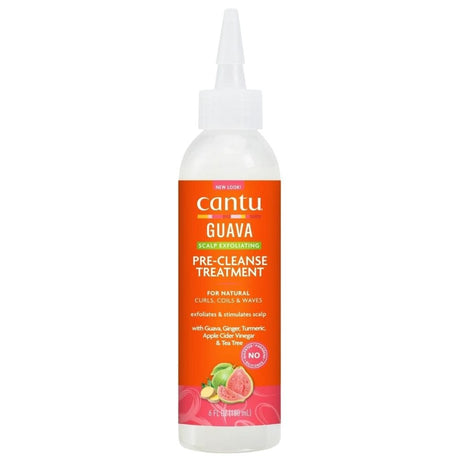
Cantu
Cantu Guava Scalp Exfoliating Pre-Cleanse Treatment - 180 ml
Normaalihinta €7.39Yksikköhinta€41.06 /l


How to Treat and Prevent Folliculitis
Topical Antiseptic and Antimicrobial Treatment
For mild, superficial bacterial folliculitis, topical antiseptics are typically the first line of response. Diluted tea tree oil (2–5% in a carrier oil or gel base) has demonstrated antibacterial activity against Staphylococcus aureus in research and is widely used as a natural antiseptic for skin conditions. Warm compresses applied to affected areas for 10–15 minutes several times daily can help reduce swelling and support drainage of pustules. Avoid squeezing or picking lesions, as this increases the risk of spreading infection and scarring.
More persistent or widespread bacterial folliculitis — particularly if it does not respond to topical care within 1–2 weeks — requires medical evaluation and may need topical or oral antibiotic therapy. Fungal folliculitis requires antifungal treatment and will not respond to antibacterial approaches, which is one reason correct diagnosis is important.
Skin Hygiene and Barrier Care
Maintaining a clean skin surface without over-stripping the skin's natural barrier is central to both treatment and prevention. Use gentle, fragrance-free cleansers suited to your skin type; avoid sharing towels, razors, or other personal care items; change and wash clothing that comes into contact with affected areas frequently; and allow skin to breathe by choosing breathable, natural fabrics when possible.
Nutritional Support for Skin Health
Skin barrier integrity and immune function are both influenced by nutritional status. Several nutrients are directly relevant to the skin's ability to resist and recover from folliculitis. Zinc is involved in wound healing, keratinocyte function, and immune response — sub-optimal zinc status is associated with increased susceptibility to skin infections. Biotin supports normal skin cell metabolism. MSM (methylsulphonylmethane) provides bioavailable sulphur, which is a structural component of keratin — the primary protein of hair and skin. Vitamin C supports collagen synthesis and has antioxidant and immune-supporting properties.
For broader skin health support from the inside out, explore our hair, skin and nails supplement collection.


Aliness
Aliness MSM Organic Sulfur Plus - 180 tablettia
Normaalihinta €13.39Yksikköhinta€0.07 per tuote




Now Foods
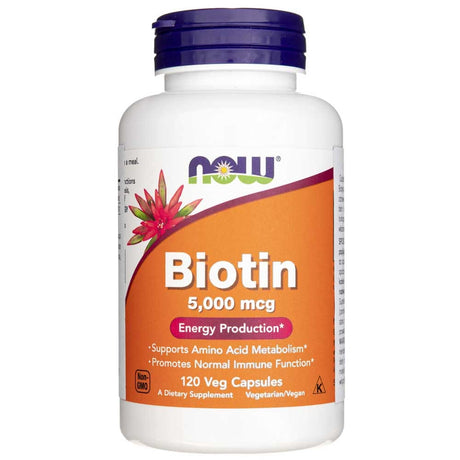
Now Foods Biotiini 5000 mcg - 120 Veg-kapselia
Normaalihinta €13.09Yksikköhinta€0.11 per tuote


When to See a Doctor
Self-care measures are appropriate for mild, localised folliculitis. Medical consultation is warranted when: lesions are spreading or increasing in number; symptoms persist beyond two weeks of home care; pain, swelling, or redness is significant or worsening; fever is present; or if lesions are in sensitive areas such as the face or around the eye. Recurrent folliculitis — particularly in the same locations — may indicate an underlying condition such as diabetes, immune dysfunction, or a chronic skin condition that requires assessment. A dermatologist can culture the causative organism if needed, enabling targeted antibiotic or antifungal therapy and distinguishing folliculitis from conditions with similar appearances, such as acne or contact dermatitis.
For natural skincare products supporting everyday skin health, browse our skin and body care range and our essential oil singles collection.
Tämä artikkeli on tarkoitettu vain tiedoksi, eikä se korvaa lääkärin neuvoja. Jos sinulla on terveysongelmia, olet raskaana, imetät tai käytät lääkkeitä, kysy neuvoa lääkäriltä tai apteekista. Ravintolisät eivät korvaa monipuolista ruokavaliota.


