

Milk thistle (Silybum marianum) has been used in European herbal medicine for over two thousand years. Ancient Greek and Roman physicians documented its use for liver and digestive complaints, and by the Middle Ages it was a common remedy throughout the continent. Contemporary research has since provided a much clearer picture of why this plant works — and the science has generally supported what herbalists observed long before clinical trials existed. Here is a thorough look at milk thistle's properties, applications, and sensible use.
What Makes Milk Thistle Medicinally Valuable
The primary bioactive compounds in milk thistle are concentrated in its seeds. The most important of these is silymarin — a group of flavonolignans (primarily silybin, silydianin, and silychristin) that account for the plant's characteristic pharmacological activity. Silymarin acts as a potent antioxidant, helping to protect cells from damage caused by free radicals and reactive oxygen species. It also has anti-inflammatory properties and is studied for its ability to support cellular regeneration.
Beyond silymarin, milk thistle seeds contain flavonoids, fatty acids (including the cold-pressed oil discussed separately), phytosterols, and various other plant compounds. The seeds and standardised extracts from them are the most pharmacologically studied plant material; teas and whole ground seeds provide lower silymarin levels than concentrated extracts.
Milk Thistle and Liver Health
The liver applications of milk thistle are its most extensively researched and best-documented uses. Silymarin's protective mechanism is primarily attributed to its ability to bind to liver cell membrane receptors, effectively blocking the uptake of certain toxins (including alcohol metabolites, environmental pollutants, and some medications) before they can cause cellular damage. At the same time, silymarin stimulates the synthesis of ribosomal RNA in hepatocytes — the mechanism believed to support liver cell regeneration.
Clinical and observational studies have examined milk thistle in the context of alcoholic liver disease, non-alcoholic fatty liver, viral hepatitis, and toxic liver injury. Results have generally been favourable, though research is ongoing and the plant should be viewed as a supportive dietary measure rather than a treatment. Milk thistle is commonly used by people whose livers are under everyday strain — from alcohol consumption, pharmaceutical use, or environmental exposure — as well as by those recovering from a period of dietary excess. For additional digestive support, our digestive system supplements collection includes complementary options.
Antioxidant and Anti-Inflammatory Properties
Silymarin's antioxidant activity extends well beyond the liver. As a free-radical scavenger, it contributes to the general protection of cells from oxidative stress — a process implicated in accelerated ageing and various chronic conditions. Research suggests that milk thistle may also help modulate inflammatory pathways, making it of interest in the context of chronic low-grade inflammation. For a broader range of antioxidant-supporting supplements, explore our antioxidants collection.
Digestive Health and Bile Flow
In traditional European herbalism, milk thistle has long been used for complaints beyond the liver itself — including bloating, heartburn, sluggish digestion, and discomfort after fatty meals. These effects are consistent with the plant's role in supporting bile production and flow. Bile is essential for the digestion and absorption of dietary fats, and improved bile secretion is associated with better fat digestion, reduced bloating, and more regular digestive transit. Milk thistle is also traditionally associated with supporting kidney function and reducing the risk of urinary tract stones, though this application has less clinical documentation than its liver uses.
Blood Sugar and Metabolic Health
Research into milk thistle's metabolic effects has grown in recent years. Studies involving silybin (the principal active compound in silymarin) suggest it may contribute to improved insulin sensitivity and normal blood glucose regulation, making it a supplement of interest for people managing or seeking to prevent metabolic syndrome. These findings are promising but should not replace dietary and lifestyle measures — milk thistle is not a treatment for diabetes and is best considered a complementary dietary support.
Hair and Skin
Milk thistle's benefits for hair and skin are indirect but meaningful. Internally, supporting liver function and reducing oxidative stress can have visible effects on the condition of skin and hair over time, as the liver plays a central role in hormone metabolism and toxin clearance — both of which influence skin health. Topically, milk thistle seed oil (which is covered in detail in our dedicated oil article) is used for dry and irritated skin, atopic conditions, and hair strengthening. The antioxidant content of silymarin has also led to its inclusion in some topical formulations targeting skin ageing and inflammation.
How to Take Milk Thistle
Milk thistle is available in several formats, each with different silymarin concentrations and use cases:
- Standardised extracts (capsules/tablets) — the most concentrated and consistent format; look for products standardised to a specific silymarin percentage (typically 70–80%)
- Liquid extracts and tinctures — faster absorption, convenient for those who prefer not to swallow capsules
- Nanoemulsified formats — enhanced bioavailability through advanced delivery technology
- Ground seeds — a whole-food option with lower silymarin concentrations; can be stirred into water, yoghurt, or porridge
- Herbal teas — traditionally prepared by steeping 2 teaspoons of ground seeds in boiling water; consumed twice daily
- Cold-pressed oil — used both orally and topically; dietary dose typically 2–3 teaspoons per day
Milk Thistle Supplements at Medpak
We stock a broad selection of milk thistle supplements from established European and international brands, covering standardised capsules, liquid extracts, and combination liver-support formulas:


Now Foods
Now Foods Maidon ohdakeuute, Kaksoisvahvuus 300 mg - 100 Veg-kapselia
Normaalihinta €16.89Yksikköhinta€0.17 per tuote


Aliness
Aliness Maidon ohdakkeen siemenuute + artisokka - 100 Veg-kapselia
Normaalihinta €11.79Yksikköhinta€0.12 per tuote


 25% alennus
Vitaler's
Vitaler's Maitohorsma 350 mg - 60 kapselia
Alennushinta €7.49 Normaalihinta €9.99Yksikköhinta€0.12 per tuote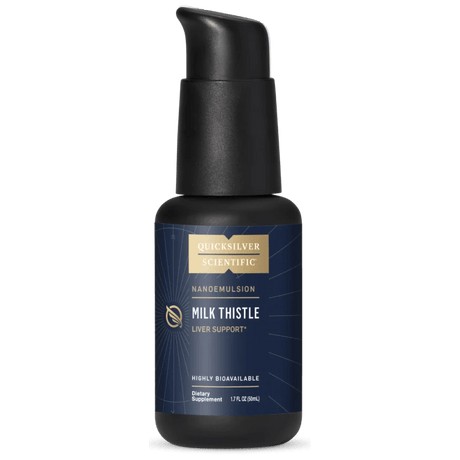
Quicksilver
Quicksilver Nanoemulsified Milk Thistle - 50 ml
Normaalihinta €44.39Yksikköhinta€88.78 /100 ml


For those seeking broader liver support through combination formulas, the following products pair milk thistle with complementary hepatoprotective ingredients:

Now Foods
Now Foods Maksan virkistäminen - 90 Veg-kapselia
Normaalihinta €17.59Yksikköhinta€0.20 per tuote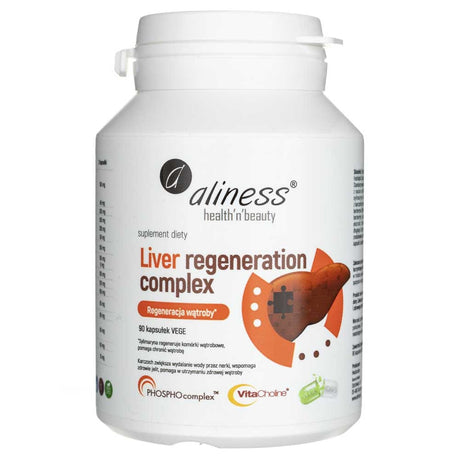


Aliness
Aliness Maksan elvyttämiskompleksi - 90 Veg-kapselia
Normaalihinta €21.99Yksikköhinta€0.24 per tuote


Naturtreu
Naturtreu Blütenrein Complex, maitohorsma ja koliini – 120 kapselia
Normaalihinta €33.69Yksikköhinta€0.28 per tuote


A wider selection of herbal supplements — including milk thistle seeds and tinctures — is available in our herbs collection.
Contraindications and Safety
Milk thistle is generally very well tolerated. At recommended doses, side effects are uncommon and typically limited to mild gastrointestinal discomfort.
Tämä artikkeli on tarkoitettu vain tiedoksi, eikä se korvaa lääkärin neuvoja. Jos sinulla on terveysongelmia, olet raskaana, imetät tai käytät lääkkeitä, kysy neuvoa lääkäriltä tai apteekista. Ravintolisät eivät korvaa monipuolista ruokavaliota.


