

Plant-based milks have moved well beyond niche status — they are now mainstream across Europe, found in every major supermarket and coffee shop. While vegans and people with lactose intolerance drove the early adoption, growing numbers of health-conscious consumers are exploring plant milks simply for their nutritional variety, lighter digestibility, and interesting flavors. But not all plant milks are created equal. Here is everything you need to know to make an informed choice — and how to address the nutritional gaps they can leave behind.
What Is Plant-Based Milk?
Despite the name, plant-based milk shares little with cow's milk beyond its color and consistency. These products are more accurately described as drinks, broths, or extracts made from nuts, grains, seeds, or legumes — typically produced by soaking and blending the base ingredient with water, then straining to remove solids. The result is a liquid that absorbs the vitamins and minerals from the plant source while being inherently lactose-free and free of animal proteins. Compared to cow's milk, most plant milks are easier to digest, and their nutrients are often highly bioavailable.
How Do the Main Varieties Compare?
Oat milk is the most popular variety in Europe, valued for its mild flavor and natural sweetness from oat starch. It is a reasonable source of beta-glucans — soluble fibers associated with healthy cholesterol levels — and contains B vitamins and minerals including iron and magnesium. At around 115 kcal per glass, it sits in the middle of the calorie range.
Soy milk is the closest nutritional match to cow's milk in terms of protein content, providing complete protein with all essential amino acids. Fortified versions deliver similar calcium levels to dairy. It is the lowest-calorie mainstream option at around 98 kcal per glass, and its neutral-to-creamy flavor makes it versatile in cooking and coffee.
Almond milk is the lightest option at approximately 72 kcal per glass. It is a natural source of vitamin E and has a pleasant, slightly sweet flavor that works particularly well in coffee and smoothies. However, its protein content is very low, so it is not a reliable protein source.
Coconut milk stands apart as the most calorie-dense variety — around 467 kcal per glass for full-fat versions — but is also uniquely rich in medium-chain triglycerides (MCTs), magnesium, iron, and fiber. It is well suited to cooking, where its creaminess is a culinary asset, rather than as a direct dairy substitute.
Rice milk is the most hypoallergenic option — free from nuts, gluten, and soy — making it a good fit for people with multiple food sensitivities. At around 161 kcal per glass, it is comparable in calories to semi-skimmed cow's milk, though relatively low in protein.
Which Plant Milk Works Best in Coffee?
Baristas have long debated this question, and the answer depends on what you are prioritizing. Soy milk froths reasonably well and has a neutral flavor that does not overpower espresso, which is why it dominated coffee shops for years. Oat milk has largely displaced it — its natural sweetness complements coffee without added sugar, and it creates a pleasing, creamy foam. Unsweetened oat milk is the best choice when you need a fully neutral option that froths. Almond and hazelnut milks offer a flavor dimension of their own, complementing coffee with a subtle nuttiness and producing an attractive foam. For those who enjoy richness over neutrality, these are worth trying.
Fortified vs. Unfortified: Why It Matters
One of the most important distinctions to look for on plant milk packaging is whether the product is fortified with calcium and vitamin D. Unfortified plant milks contain significantly less calcium than cow's milk, which provides approximately 120 mg per 100 ml. Fortified versions — particularly soy milk — can match or approach this level, making them nutritionally comparable for bone health purposes. Vitamin D is added less consistently but is equally important, since it governs how effectively the body absorbs and uses calcium.
If your plant milk of choice is not fortified — or if you are consuming plant milks as your primary dairy replacement — supplementing calcium and vitamin D directly is the most reliable way to ensure adequate intake. Explore our Calcium supplements and Vitamin D collection to find options suited to plant-based diets.
Nutritional Gaps on a Plant-Based Diet — and How to Address Them
Switching from dairy to plant milks — particularly as part of a broader shift toward a vegan or plant-forward diet — creates predictable nutritional gaps that are worth addressing proactively. The most significant ones are calcium, vitamin D3, vitamin B12, iodine, and omega-3 fatty acids (specifically EPA and DHA). None of these nutrients is impossible to obtain from plant sources, but all of them require conscious planning or targeted supplementation.
Vitamin B12 is not present in any plant food in meaningful amounts and is the one supplement that anyone following a fully plant-based diet genuinely cannot do without. Iodine is typically obtained from dairy in European diets; plant milk drinkers who do not use iodized salt may fall short. Omega-3 EPA and DHA — the forms most relevant to brain and heart health — are found almost exclusively in fatty fish and algae; plant foods provide only ALA, which converts to EPA and DHA inefficiently.
Vegan Supplements for Plant-Based Diets
Whether you are fully vegan or simply reducing dairy, these supplements help close the nutritional gaps that plant milks — even fortified ones — may leave:

Solgar
Solgar Kalsium-magnesium ja D3-vitamiini - 150 tablettia
Normaalihinta €18.49Yksikköhinta€0.12 per tuote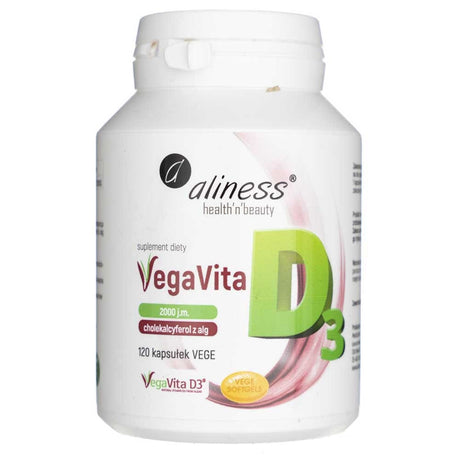


Aliness
Aliness Luonnollinen D3-vitamiini levästä 2000 IU - 120 Veg-kapselia
Normaalihinta €11.39Yksikköhinta€0.09 per tuote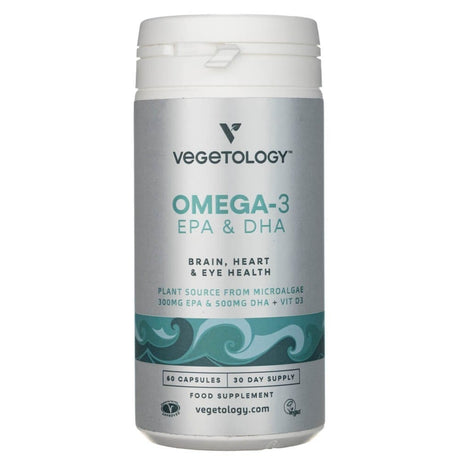


Vegetology
Vegetology Omega 3 EPA & DHA + D3-vitamiini - 60 kapselia
Normaalihinta €29.19Yksikköhinta€0.49 per tuote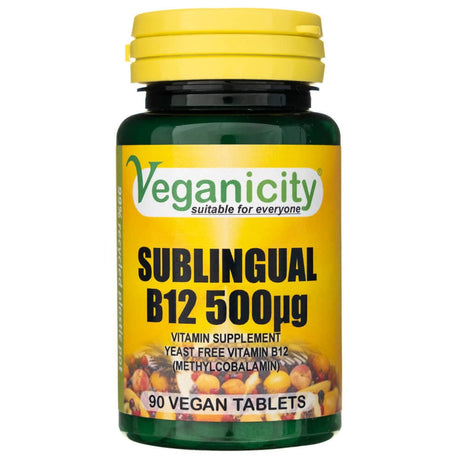


Veganicity
Veganicity B12-vitamiini, Sublingual 500 mcg - 90 tablettia
Normaalihinta €11.09Yksikköhinta€0.12 per tuote


 15% alennus
Aliness
Aliness Omega DHA 300 mg levästä + D3-vitamiini 2000IU - 60 kapselia - 60 kapselia
Alennushinta €8.70 Normaalihinta €10.29Yksikköhinta€0.15 per tuote


Choosing the Right Plant Milk for You
The simplest advice is to try several varieties before committing — individual taste preferences vary considerably. Prioritize products with the shortest ingredient lists and no added sugar. If plant milk is replacing dairy as your main calcium source, check the label for fortification. And if you are making a broader dietary shift away from animal products, pair your plant milk choices with targeted supplementation to cover the nutrients that even the best fortified drinks cannot fully replace.
For a comprehensive range of supplements designed to support plant-based and vegan lifestyles, browse our full Vitamins & Supplements collection.
Tämä artikkeli on tarkoitettu vain tiedoksi, eikä se korvaa lääkärin neuvoja. Jos sinulla on terveysongelmia, olet raskaana, imetät tai käytät lääkkeitä, kysy neuvoa lääkäriltä tai apteekista. Ravintolisät eivät korvaa monipuolista ruokavaliota.


