

Pregnancy is one of the most nutritionally demanding periods in a woman's life. A balanced, varied diet remains the foundation — but during pregnancy and breastfeeding, dietary intake alone is rarely sufficient to meet the significantly elevated needs of both mother and developing baby. Evidence consistently shows that nutritional status before and during pregnancy directly influences fetal development, birth outcomes, and the child's long-term health. Starting supplementation early — ideally before conception — is one of the most meaningful steps a woman planning a pregnancy can take.
Why Diet Alone Is Often Not Enough
During pregnancy, the body undergoes physiological changes that alter nutrient absorption and dramatically increase requirements for specific vitamins and minerals. The developing nervous system, skeleton, cardiovascular system, and immune function all place simultaneous demands on the mother's nutrient reserves. Even a carefully planned diet may fall short — and deficiencies during these critical windows can have consequences that extend well into the child's adult life, including elevated risk of cardiovascular disease and impaired cognitive development.
For this reason, leading gynaecological bodies consistently recommend that women begin appropriate supplementation when planning a pregnancy, and continue it throughout gestation and breastfeeding. Below is a practical guide to the key nutrients involved.
Folic Acid: The Most Critical Prenatal Nutrient
Folic acid — vitamin B9 — is responsible for regulating cell growth and division in the nervous, blood-forming, and digestive systems. During early fetal development, adequate folate is essential for normal neural tube closure; deficiency is one of the primary preventable causes of serious birth defects affecting the brain and spinal cord.
The Polish Society of Gynaecology recommends beginning folic acid supplementation at least 12 weeks before planned conception and continuing throughout pregnancy and breastfeeding. For women at low risk, the standard recommendation is 400 mcg daily before conception and 400–800 mcg during the first trimester, increasing to 600–800 mcg thereafter. Women with elevated risk factors (smoking, obesity, certain medications, prior use of hormonal contraception, or reduced MTHFR enzyme activity) are typically advised to supplement 800 mcg daily from the planning stage onwards.
An important consideration: the synthetic folic acid in standard supplements must be converted by the body into its active form (5-MTHF) before it can be used. This conversion depends on the MTHFR enzyme, which has reduced activity in up to half of the European population. Active folate supplements (labelled as 5-MTHF, methylfolate, or Quatrefolic®/Metafolin®) bypass this conversion step and may be better absorbed by those with impaired enzyme function. Explore our vitamin B collection for both standard and methylated folate options.


Now Foods
Now Foods Metyylifolaatti 1000 mcg - 90 tablettia
Normaalihinta €16.09Yksikköhinta€0.18 per tuote
Swanson
Swanson Folic Acid Folian Quatrefolic - 30 kapselia
Normaalihinta €4.09Yksikköhinta€0.14 per tuote


Vitamin D3: Essential for Bones, Immunity, and Development
Vitamin D3 deficiency is widespread across Europe, where effective skin synthesis through sunlight is only possible between March and September — and only under specific conditions of exposure and time. Deficiency in pregnancy is associated with low birth weight, impaired skeletal mineralisation in the newborn, and compromised immune development.
The Polish Society of Gynaecology recommends 2,000 IU of vitamin D3 daily for women planning pregnancy and throughout gestation and lactation. Drops are a particularly practical format for precise dosing. Combining vitamin D3 with K2 is increasingly recommended, as K2 helps direct calcium to the bones rather than soft tissues.
Omega-3 Fatty Acids (DHA): Building the Brain and Eyes
DHA (docosahexaenoic acid) is a structural component of brain cell membranes and retinal tissue. During fetal development, adequate DHA intake is directly linked to healthy brain formation, visual acuity, and normal psychomotor development. It also contributes to longer gestation and higher birth weight.
The primary dietary source of DHA is oily fish — but adequate intake from diet alone is difficult for many women, particularly those who do not eat fish regularly. Women who cannot meet their DHA needs through diet are recommended to supplement at least 600 mg of DHA daily during pregnancy, rising to 1,000 mg if there is any risk of preterm birth. Dedicated prenatal DHA products such as Nordic Naturals Prenatal DHA are formulated specifically for this stage.
Iron: Supporting Blood Formation and Immunity
Iron is essential for haemoglobin production and oxygen transport to cells — demands that increase substantially during pregnancy as blood volume expands. Iron deficiency in pregnancy raises the risk of intrauterine growth restriction, impaired infant immunity, and limited psychomotor development. Women at risk of deficiency are typically advised to supplement 18 mg of iron daily when planning pregnancy, increasing to 26–27 mg during gestation, and 20 mg during lactation.
Chelated and bisglycinate forms of iron are generally better tolerated than older ferrous sulphate preparations — they cause less gastrointestinal discomfort while maintaining high bioavailability. Browse our iron supplement collection for well-absorbed formulations from trusted brands.
Iodine: Thyroid Function and Neurological Development
Iodine requirements increase significantly during pregnancy due to fetal demand and elevated thyroid hormone production. Iodine is a key cofactor for thyroid hormones, which are indispensable for healthy neurological and brain development in the fetus. Deficiency raises the risk of congenital abnormalities, impaired psychomotor development, and premature birth.
The Polish Society of Gynaecology recommends 150–200 mcg of iodine daily for women planning pregnancy, during gestation, and throughout breastfeeding. Liquid iodine drops allow for precise, easily adjustable dosing and are a practical choice for this period.


Now Foods
Now Foods D3-vitamiini 2000 IU - 120 pehmytkapseliä
Normaalihinta €5.99Yksikköhinta€0.05 per tuote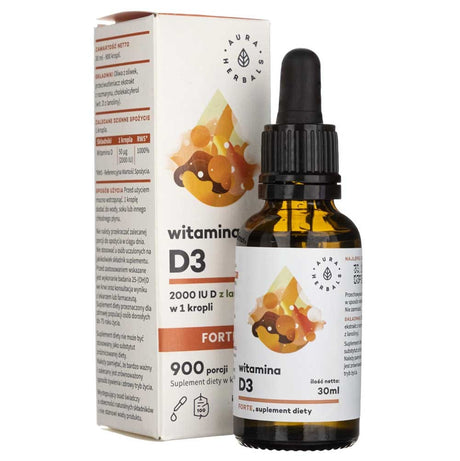


Aura Herbals
Aura Herbals D3-vitamiini FORTE, MCT, tippa 2000 IU - 30 ml
Normaalihinta €5.69Yksikköhinta€189.67 /l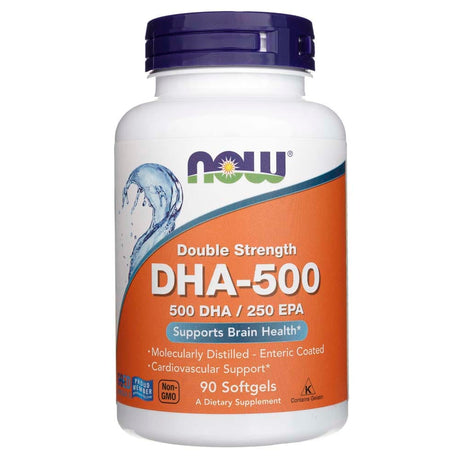


Now Foods
Now Foods DHA-500 Kaksoisvahvuus - 90 pehmytkapseliä
Normaalihinta €24.29Yksikköhinta€0.27 per tuote 5% alennus
Doctor's Best
Doctor's Best Rauta ja Ferrochel 27 mg - 120 tablettia, korkea imeytyminen - 120 tablettia
Alennushinta €14.05 Normaalihinta €14.79Yksikköhinta€0.12 per tuote


Aura Herbals
Aura Herbals Ferradrop - Nestemäinen rauta + foolihappo - 500 ml
Normaalihinta €7.79Yksikköhinta€15.58 /l


Aura Herbals
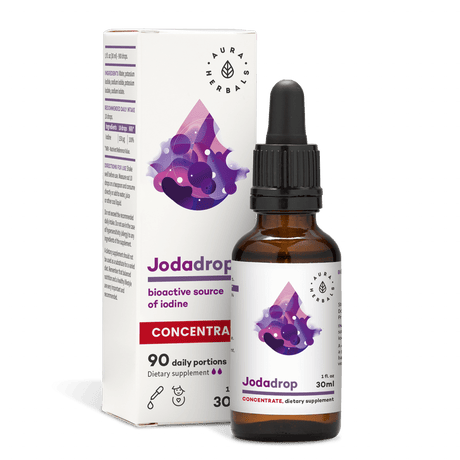
Aura Herbals Jodadrop - bioaktiivinen jodin lähde, konsentraatti, tippa - 30 ml
Normaalihinta €16.09Yksikköhinta€536.33 /l


Aliness
Aliness Jodi (Kaliumjodidi) 200 mcg - 200 tablettia - 200 tablettia
Normaalihinta €7.49Yksikköhinta€0.04 per tuote


A Note on Nutrition and Lifestyle
Supplementation supports but does not replace a healthy, varied diet. Before and during pregnancy, it is worth focusing on foods naturally rich in the nutrients discussed above: dark leafy vegetables, legumes, and fortified cereals for folate; oily fish and eggs for DHA and vitamin D; red meat, poultry, and spinach for iron; and seafood or iodised salt for iodine. Avoiding smoking and alcohol remains critical — both significantly impair nutrient absorption and fetal development, and no supplement can compensate for their effects. For broader support during this period, explore our women's health supplement range.
Tämä artikkeli on tarkoitettu vain tiedoksi, eikä se korvaa lääkärin neuvoja. Jos sinulla on terveysongelmia, olet raskaana, imetät tai käytät lääkkeitä, kysy neuvoa lääkäriltä tai apteekista. Ravintolisät eivät korvaa monipuolista ruokavaliota.


