

In the vast majority of cases, vitamin D supplementation for newborns should begin from the very first days of life. Extensive research supports this as an essential step for a baby's healthy development. In fact, most hospitals administer the first dose within 24 hours of birth. This is particularly important for breastfed newborns, since breast milk — despite its many nutritional benefits — does not provide adequate amounts of vitamin D. Formula-fed babies may receive some vitamin D through their milk, but paediatricians typically recommend additional supplementation regardless. So why is this vitamin so critical for the youngest members of the family, and how should parents choose the right product?
Why Is Vitamin D So Important for Newborns?
Vitamin D is often called the "sunshine vitamin" because the human body synthesises it when exposed to sunlight. However, newborns and young infants have virtually no reliable way to obtain it naturally. A baby born during the autumn or winter months will have minimal sun exposure, and even during summer, direct sunlight is not recommended for infants under one year of age. Breast milk contains only trace amounts of vitamin D, and while some infant formulas are fortified with it, the levels may still fall short of what a growing body needs. This is precisely why supplementation from birth is the standard recommendation.
In broad terms, vitamin D supports a child's overall growth and development. More specifically, it plays a central role in bone formation by enhancing the absorption of calcium and phosphorus — two minerals essential for building a strong skeleton. Adequate vitamin D levels help prevent rickets, a condition characterised by soft and weak bones. Beyond skeletal health, vitamin D also contributes to the development of healthy teeth and supports the immune system, helping the body defend against infections — something particularly valuable during a baby's vulnerable first months.
What Type of Vitamin D Should You Choose for a Baby?
The market offers a wide range of vitamin D supplements, and it can be overwhelming to navigate. Once your paediatrician has confirmed the appropriate dose, the next decision is the form of the supplement. For newborns and young infants, the most common and practical options are:
- Twist-off capsules — small soft capsules that you squeeze directly onto the baby's tongue or mix into milk. These are popular because dosing is precise and mess-free.
- Liquid drops — administered with a dropper directly into the mouth or added to a small amount of milk. Drops offer flexible dosing and are easy to give even to very young babies.
- Tablets — suitable for older children who can chew or swallow them, but not appropriate for newborns.
When selecting a product, look for supplements with a clean, natural composition. High-quality infant vitamin D supplements typically use a plant-based oil as a carrier — commonly sunflower oil or oil derived from microalgae — to support optimal absorption, since vitamin D is fat-soluble. Browse the full vitamin D collection at Medpak for trusted options from established brands.
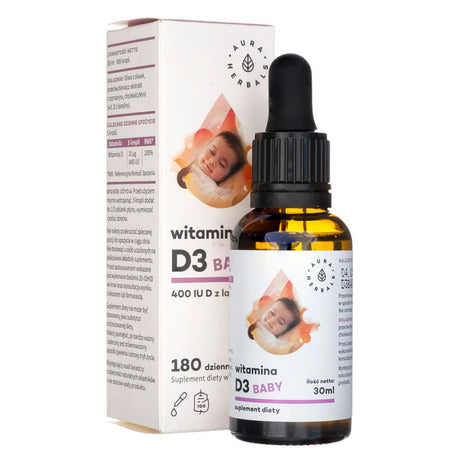


Aura Herbals
Aura Herbals D3-vitamiini Baby, tippa 400 IU - 30 ml
Normaalihinta €4.99Yksikköhinta€166.33 /l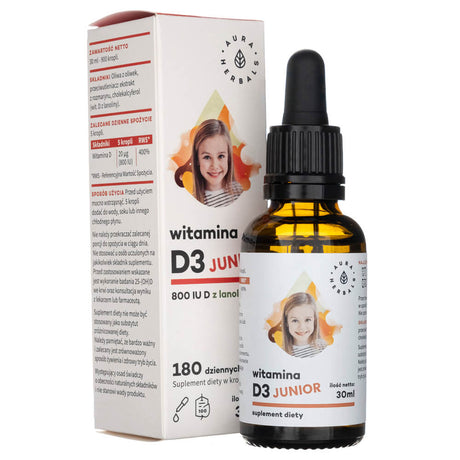


Aura Herbals
Aura Herbals D3-vitamiini Junior, tippa 800 IU - 30 ml
Normaalihinta €5.19Yksikköhinta€173.00 /l

Vitaler's
Vitaler's D3-vitamiini Junior 800 IU, tippaa - 30 ml
Normaalihinta €4.79Yksikköhinta€1.60 /10 ml


Aura Herbals
Aura Herbals Omega D3-vitamiini 800 IU lapsille - 60 Twist-off-kapselia
Normaalihinta €7.29Yksikköhinta€0.12 per tuote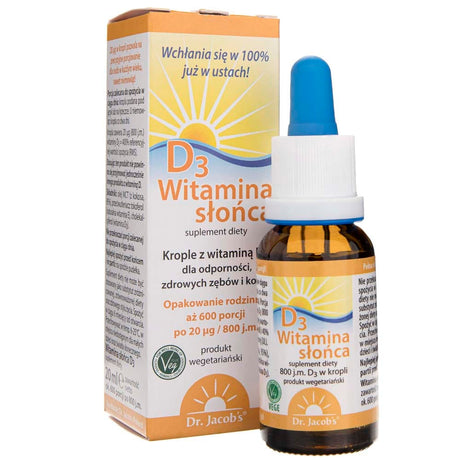


Dr. Jacob's
Dr. Jacob's D3-vitamiini, tippa 800 IU - 20 ml
Normaalihinta €8.09Yksikköhinta€4.05 /10 ml


Recommended Dosage by Age
While your paediatrician should always have the final word on dosing, general guidelines provide a useful starting point:
- Newborns and infants (0–12 months) — 400 IU per day is the standard recommended dose in most European countries.
- Children over 1 year — 600 to 1,000 IU per day, depending on the child's diet, sun exposure, and individual health needs.
- Children with obesity — higher doses may be recommended by a healthcare professional, as vitamin D is stored in fat tissue and may be less available to the body.
How Long Should You Supplement Vitamin D?
This is one of the most common questions parents ask. Older guidelines often suggested stopping vitamin D supplementation at 12 months of age. However, current recommendations strongly favour continuing supplementation well beyond the first year — and in many cases, throughout childhood and even into adulthood.
The reasoning is straightforward: even as a child's diet expands to include foods that contain vitamin D — such as milk, butter, eggs, and oily fish — these sources rarely provide sufficient amounts on their own, especially during the months from October to April when sun exposure across Europe is minimal. Many paediatricians now recommend year-round supplementation for children, adjusting the dose as the child grows.
If you are unsure whether your child is getting enough vitamin D, a simple laboratory blood test can check their levels. This is particularly worthwhile if you notice any signs that might suggest a deficiency, such as frequent infections, irritability, or developmental concerns. For broader immune support alongside vitamin D, explore the children's health range and the immune system collection at Medpak.
Choosing the Right Product — What to Look For
With dozens of vitamin D supplements available, here are the key factors to consider when choosing one for your baby:
- Age-appropriate dosage — select a product specifically designed for infants (400 IU) or young children (600–1,000 IU) rather than adult formulations.
- Clean ingredients — the fewer additives, the better. Look for supplements where the main carrier is a natural plant-based oil.
- Convenient form — drops and twist-off capsules are the easiest to administer to newborns and young infants.
- Trusted brand — established names like Nordic Naturals, Aura Herbals, and Dr. Jacob's follow strict quality standards and are popular choices among European parents.
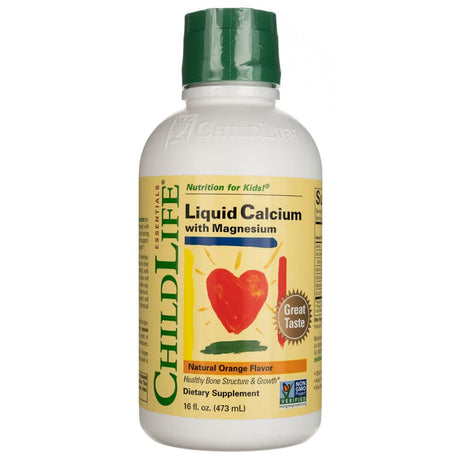


ChildLife
ChildLife Nestemäinen kalsium ja magnesium, Luonnollinen oranssin maku - 473 ml
Normaalihinta €25.59Yksikköhinta€54.10 /l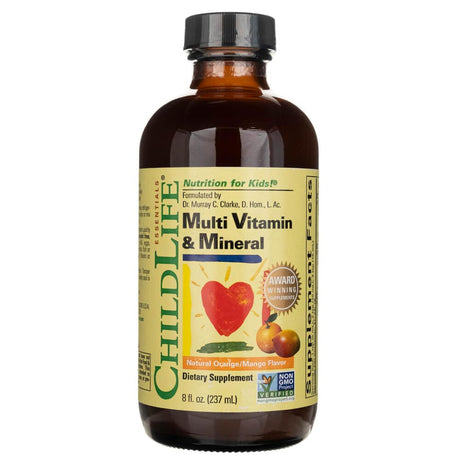


ChildLife
ChildLife Monivitamiini- ja kivennäisainepakkaus, Luonnollinen appelsiini/Mangon maku - 237 ml
Normaalihinta €21.49Yksikköhinta€90.68 /l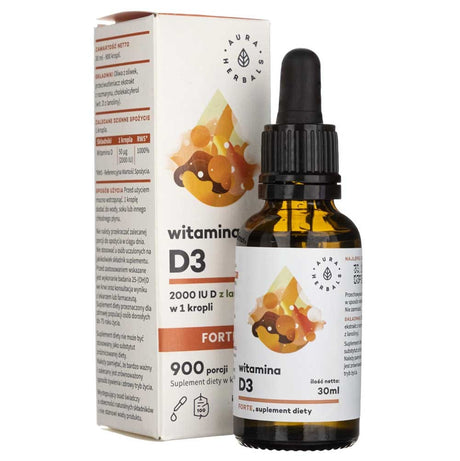


Aura Herbals
Aura Herbals D3-vitamiini FORTE, MCT, tippa 2000 IU - 30 ml
Normaalihinta €5.69Yksikköhinta€189.67 /l


Aura Herbals
Aura Herbals D3-vitamiini 2000 IU + K2 Vegaani, Tipat - 50 ml
Normaalihinta €20.19Yksikköhinta€40.38 /100 ml


Key Takeaway: Vitamin D supplementation should begin from a newborn's first days of life and continue well beyond the first birthday — ideally year-round, especially during the darker months. Choose an age-appropriate dose (400 IU for infants, 600–1,000 IU for older children), opt for drops or twist-off capsules for easy administration, and always follow your paediatrician's guidance on dosing and duration.
Tämä artikkeli on tarkoitettu vain tiedoksi, eikä se korvaa lääkärin neuvoja. Jos sinulla on terveysongelmia, olet raskaana, imetät tai käytät lääkkeitä, kysy neuvoa lääkäriltä tai apteekista. Ravintolisät eivät korvaa monipuolista ruokavaliota.


