

Warm months invite us outdoors — into parks, forests, and green spaces across Europe. But with that freedom comes a more cautious topic: ticks and the diseases they can carry. Lyme disease, known medically as Lyme borreliosis, is perhaps the most talked-about tick-borne illness — and also the most misunderstood. Misinformation has built up a cloud of fear around it that, for many people, takes the joy out of any outdoor trip. Let's look at what the science actually says, separate fact from fiction, and talk about what genuinely helps.
What Is Lyme Disease — and How Does It Actually Spread?
Lyme disease is a bacterial infection caused by Borrelia burgdorferi, transmitted through the bite of certain infected ticks — primarily Ixodes ricinus in Europe. It is not transmitted by mosquitoes, flies, or other insects. Crucially, not every tick is infected: depending on the region, infection rates in tick populations typically range from around 5% to 30%. That means the vast majority of tick bites carry no risk of Lyme disease at all.
Even when a tick is infected, transmission isn't immediate. Research consistently shows that the bacterium requires at least 24 to 48 hours of attachment to move from the tick's gut into the host's bloodstream. This is one of the most important and underreported facts about Lyme disease: prompt tick removal dramatically reduces the risk of infection. Checking your skin thoroughly after time spent in nature and removing any attached ticks quickly remains the single most effective personal protective measure.
Common Myths About Lyme Disease — Addressed Honestly
Myth 1: "Every tick bite leads to Lyme disease." This is not accurate. Most tick bites do not result in infection. The tick must be infected, attached long enough, and the immune response of the host also plays a role. The probability of developing Lyme disease from a single tick bite in Europe is estimated at well under 5% on average.
Myth 2: "You'll always see the bull's-eye rash." The expanding reddish rash known as erythema migrans (EM) is indeed a hallmark symptom — but it appears in roughly 70–80% of cases, and it doesn't always take on the classic bull's-eye pattern. Some people develop a uniformly red oval or no visible rash at all. Absence of a rash therefore doesn't mean absence of infection.
Myth 3: "Lyme disease is incurable." When diagnosed in the early stage, Lyme borreliosis responds well to a standard course of antibiotics. The overwhelming majority of patients treated promptly and appropriately recover fully. The narrative of a chronic, untreatable condition applies to a very small subset of cases and remains a contested area of medical research — it should not be generalised to all patients.
Myth 4: "Natural remedies can treat Lyme disease." This one is genuinely dangerous. Antibiotics are the only evidence-based treatment for Lyme borreliosis. Delaying medical treatment in favour of herbal or alternative protocols allows the bacteria to spread and causes significantly worse outcomes. Supplements can support general immune health and recovery, but they do not treat the underlying bacterial infection.
Tick Prevention: Practical Steps That Actually Work
The good news is that protecting yourself effectively isn't complicated. Wearing long sleeves and trousers in wooded or grassy areas, tucking trousers into socks, and using insect repellents with proven active ingredients like DEET or icaridin significantly reduce the chance of a tick attaching. After any outdoor activity in nature, take a few minutes to check your skin — especially behind the knees, in the groin area, around the navel, behind the ears, and on the scalp.
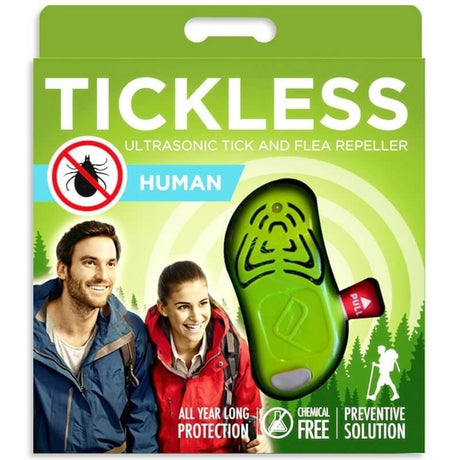
Our insect and tick protection range includes both topical repellents and electronic ultrasonic devices, offering options for adults, children, and pets. These are genuinely useful tools — not a substitute for vigilance, but a practical layer of additional protection during the warmer months.

 5% alennus
Tickless
Tickless Ihmisen ultraääni punkkikarkotin - vihreä
Alennushinta €39.89 Normaalihinta €41.99Yksikköhinta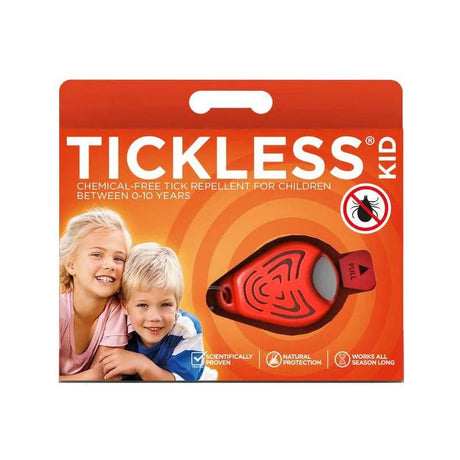


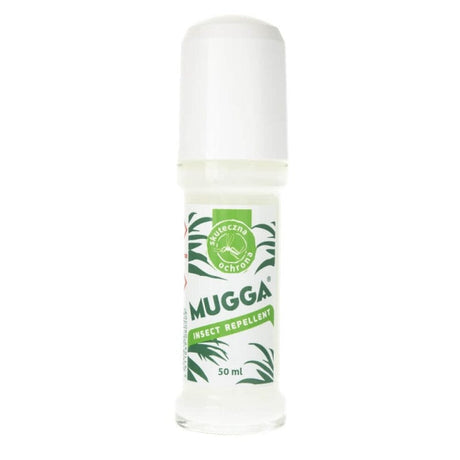

Mugga
Mugga Roll-On 20% DEET, hyönteiskarkotin - 50 ml
Normaalihinta €6.79Yksikköhinta€13.58 /100 ml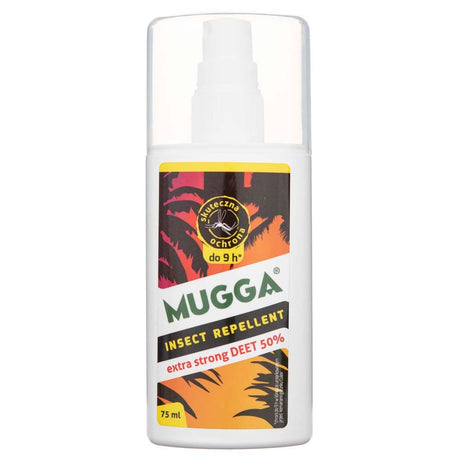


Mugga
Mugga Spray 50% DEET, hyönteiskarkotin - 75 ml
Normaalihinta €10.19Yksikköhinta€13.59 /100 ml


Immune Support: What Can Supplements Actually Do?
While no supplement replaces medical treatment, supporting your immune system year-round is a sensible approach for anyone who spends time outdoors. A well-functioning immune system is better equipped to mount an initial response to infections in general — and recovery from any illness is typically smoother when the body is in good nutritional shape.
Vitamin C contributes to the normal function of the immune system, and zinc is essential for the maintenance of normal immune defences. Beta-glucans have been studied for their role in supporting immune readiness, while plant compounds like quercetin are of interest for their antioxidant properties. Echinacea has been traditionally used to support the body during periods of increased exposure to pathogens. You'll find a broad selection of these and related products in our immune system supplements collection, as well as in our herbs range for those who prefer plant-based options.


Now Foods
Now Foods C-1000-vitamiini ruusunmarjojen ja bioflavonoidien kanssa - 100 tablettia
Normaalihinta €10.39Yksikköhinta€0.10 per tuote


Now Foods
Now Foods Beetaglukaanit ImmunEnhancerin kanssa, Extra Strength - 60 Veg Kapselit - 60 Veg Kapselit
Normaalihinta €16.89Yksikköhinta€0.28 per tuote


Aliness
Aliness Luonnollinen kversetiini 250 mg - 100 Veg-kapselia
Normaalihinta €16.69Yksikköhinta€0.17 per tuote


Now Foods
Now Foods Echinacea 400 mg - 100 Veg-kapselia
Normaalihinta €9.89Yksikköhinta€0.10 per tuote


Aliness
Aliness Villi oreganoöljy STRONG 100 % luonnollinen – 90 kapselia
Normaalihinta €11.79Yksikköhinta€0.13 per tuote


The Takeaway: Fear Less, Prepare More
Lyme disease is a real condition that deserves to be taken seriously — but not feared irrationally. The risks are manageable, the most common outcomes with early treatment are good, and the protective steps available to you are straightforward. Regularly checking for ticks after outdoor activity, removing any you find promptly, and knowing what symptoms to watch for gives you a solid foundation of protection. If symptoms do develop after a tick bite, see a doctor early — that's when it matters most.
Enjoying forests, parks, and nature should be part of a healthy life. With the right knowledge and a few practical habits, it can stay that way.
Tämä artikkeli on tarkoitettu vain tiedoksi, eikä se korvaa lääkärin neuvoja. Jos sinulla on terveysongelmia, olet raskaana, imetät tai käytät lääkkeitä, kysy neuvoa lääkäriltä tai apteekista. Ravintolisät eivät korvaa monipuolista ruokavaliota.


