

Sandalwood essential oil is one of the oldest and most continuously used botanical extracts in human history — referenced in ancient Indian texts, central to Ayurvedic medicine, and still among the most prized materials in perfumery and aromatherapy today. Its value is earned: a complex, creamy, warm-woody aromatic profile combined with a range of scientifically validated therapeutic properties that spans skin health, respiratory support, emotional wellbeing, and more. Here is what makes it exceptional.
Origin and Extraction
Sandalwood belongs to the genus Santalum, which comprises over 19 known species. The most therapeutically prized is Santalum album — Indian sandalwood — originating in the eastern regions of India and historically called "the royal tree" in Sanskrit. Santalum spicatum, the Australian species, is also used, though with a somewhat different chemical profile. Both are steam-distilled from dried, powdered heartwood — the dense central core of the trunk, which concentrates the oil over decades of growth.
Extraction yield is low — between 4.5% and 6.26% of raw material weight for Santalum album — which is part of what makes sandalwood oil genuinely expensive. Equally important is age: the oil quality improves substantially as the tree matures. Trees under 15 years are considered too young. The optimal range is 30–50 years, with trees aged 60–80 years producing the most complete and complex oil. This long lead time is irreducible, which makes sustainable sourcing both economically and ecologically critical.
Conservation Status
Santalum album is classified as a vulnerable species by the IUCN, with wild population estimates suggesting a reduction of approximately 30% in recent decades due to illegal harvesting, fire, and disease. Responsible sourcing — choosing products from certified or regulated suppliers — is not only an ethical choice but a practical one: it correlates with higher oil quality, as legally harvested, properly aged wood produces a demonstrably better extract than material taken from immature or stressed trees.
Active Compounds and Properties
Sandalwood oil is dominated by sesquiterpenes — approximately 90% of the composition in Santalum album. The primary active compound is beta-santalol, which constitutes 25–30% of the oil and is responsible for most of its characteristic therapeutic effects. Research has confirmed several well-supported actions:
- Anti-inflammatory — beta-santalol modulates cellular signalling pathways involved in inflammation, with documented relevance to skin conditions including psoriasis and atopic dermatitis
- Antimicrobial and antiseptic — effective against a range of bacteria and fungi, making it relevant both for skin protection and respiratory support
- Skin cell proliferation support — compounds in sandalwood oil promote healthy skin cell growth and renewal, contributing to its skin-rejuvenating properties
- Antioxidant — protects against oxidative stress and free radical damage
- Antiproliferative potential — laboratory studies have found that sandalwood compounds promote programmed death of cancer cells; this is a promising research direction that does not yet constitute clinical evidence for cancer treatment
Skin and Hair Care
Sandalwood is among the most versatile essential oils for cosmetic application. It blends readily with fatty-based carriers and formulations, penetrating efficiently through skin layers into the bloodstream. In practice, this means results are not merely surface-level. The oil nourishes, firms, and smooths skin, reduces fine lines, improves skin tone and clarity, tightens pores, and addresses blemishes and uneven colouration. For chronic skin conditions including psoriasis and eczema, its anti-inflammatory and antimicrobial properties support both symptom management and barrier repair.
For hair, sandalwood improves shine, condition, and scalp health, with documented effectiveness in reducing dandruff. The simplest way to incorporate it into an existing routine is to add 3–5 drops to a shampoo, conditioner, body moisturiser, or facial cream. This requires no additional products and introduces sandalwood's benefits consistently with minimal effort. Explore our essential oil singles collection for the full range of individual oils.
Aromatherapy and Emotional Wellbeing
Sandalwood's reputation in aromatherapy is well-founded. The oil has a calming, grounding effect on the nervous system — it reduces anxiety, relieves mental tension, and facilitates the shift from an activated to a restful state. Unlike some calming oils that have a sedating quality, sandalwood creates clarity alongside calm, which is why it has been used in meditation across Asian traditions for thousands of years.
In contemporary use, diffusing sandalwood in the evening creates an atmosphere conducive to sleep and decompression after demanding days. Before meditation or focused work, it supports sustained attention and emotional balance. During massage, it improves circulation and elevates mood simultaneously — producing the kind of whole-body relaxation that most single-function products cannot replicate.
Blending with Sandalwood
Sandalwood is a classic base note — its low volatility means it evaporates slowly, anchoring blends and extending the longevity of lighter top notes that would otherwise dissipate quickly. It is also a natural fixative in perfume composition. It harmonises with almost any fragrance family: floral (geranium, jasmine, neroli, ylang ylang), citrus (grapefruit, bergamot, lemon), resinous (frankincense), and spiced (ginger). A few reliable compositions for specific purposes:
- Sleep: 3 drops sandalwood + 3 drops lavender + 2 drops cedarwood
- Mood elevation: 5 drops sandalwood + 4 drops vanilla + 2 drops bergamot
- Respiratory support: 3 drops sandalwood + 3 drops eucalyptus + 2 drops lemongrass
- Meditation: 4 drops sandalwood + 3 drops frankincense + 2 drops bergamot
- Libido and warmth: 2 drops sandalwood + 2 drops ylang ylang + 2 drops bergamot + 2 drops ginger + 2 drops lemon


 25% alennus
Bilovit
Bilovit Sjaalwood eteerinen öljy - 10 ml
Alennushinta €23.24 Normaalihinta €30.99Yksikköhinta€23.24 /10 ml


Sandalwood in Perfumery and Home Fragrance
Beyond personal aromatherapy, sandalwood has a long-established role as a home fragrance ingredient. Sandalwood incense — made from powdered heartwood — burns slowly and cleanly, neutralising unpleasant odours and creating a warm, settled atmosphere that supports relaxation. The aromatic presence is long-lasting: sandalwood can hold its scent for hours or even days after burning.
As a diffuser oil, sandalwood works at lower concentrations than many other oils while still providing a noticeable, lasting presence. It is the rare oil that can be diffused continuously without becoming oppressive — its profile is complex enough to remain interesting and warm enough to be consistently comfortable. Browse our full aromatherapy collection for diffusers and complementary products.


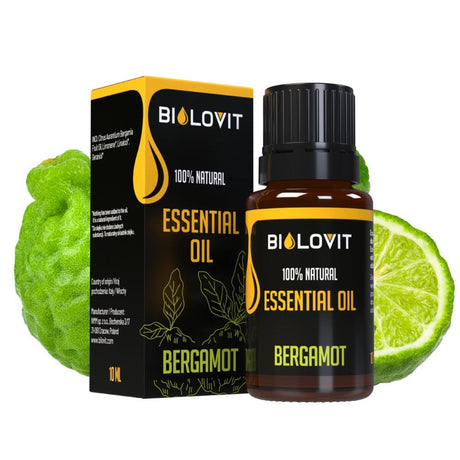


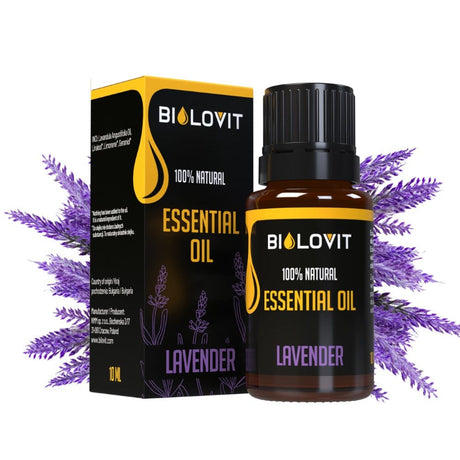


Sandalwood oil earns its place in any serious aromatherapy collection — and it earns it several times over. For skin care, it is a clinically relevant anti-inflammatory and renewal agent. For the mind, it is one of the most reliable calming and focus-supporting oils available. In blends, it is the ingredient that makes everything else last longer and smell better. Its long history of revered use is not nostalgia — it is the accumulated record of consistent, real benefit.
Tämä artikkeli on tarkoitettu vain tiedoksi, eikä se korvaa lääkärin neuvoja. Jos sinulla on terveysongelmia, olet raskaana, imetät tai käytät lääkkeitä, kysy neuvoa lääkäriltä tai apteekista. Ravintolisät eivät korvaa monipuolista ruokavaliota.


