

Health awareness is at an all-time high — yet knowledge of vitamins, the very nutrients that underpin it, remains surprisingly patchy. Vitamins A, D, E, and K — collectively known as the ADEK complex — are among the most important and most frequently under-supplied nutrients in the European diet. The body cannot synthesise most of them in sufficient quantities on its own. Here is what they do, why deficiency matters, and how to address it.
What Is the ADEK Complex?
ADEK is not a single substance but a grouping of four distinct vitamins — A, D, E, and K — that share one defining characteristic: they are all fat-soluble. Unlike water-soluble vitamins, which are excreted when consumed in excess, fat-soluble vitamins are stored in adipose tissue and the liver, which means both deficiency and excessive intake carry real consequences.
The grouping is also not arbitrary from a biological standpoint. Research in recent years has confirmed meaningful synergistic relationships between these four vitamins — vitamins D and K work together in calcium metabolism and bone mineralisation, while vitamins A and E interact in antioxidant pathways. Taking them together is often more effective than supplementing each in isolation.
What Each Vitamin Does
Vitamin A
One of the earliest vitamins to be formally identified, vitamin A plays a foundational role in cell growth and differentiation — particularly in epithelial tissue and bone. It contributes to normal vision (especially in low-light conditions), supports the integrity of mucous membranes, and participates in the immune response. Vitamin A also functions as a natural antioxidant, helping to protect cells from oxidative damage. Its role in skin health — supporting cell renewal and maintaining elasticity — has made it a staple ingredient in dermatology as well as supplementation.
Vitamin D
Vitamin D governs calcium and phosphorus metabolism, regulates their blood levels, and ensures these minerals are deposited appropriately in bones and teeth. Beyond its well-known role in skeletal health, vitamin D supports muscle function, contributes to normal immune system activity, and has been associated with a reduced frequency of autoimmune conditions. It has also been studied in relation to cardiovascular health and mood regulation. Vitamin D's standing has shifted significantly in recent decades — from a niche nutrient associated with rickets prevention to one of the most broadly important vitamins in human physiology. Explore our full range of vitamin D supplements available at Medpak.
Vitamin E
Vitamin E is the body's primary lipid-soluble antioxidant — embedded within cell membranes, it protects polyunsaturated fatty acids and beta-carotene from free radical damage generated during normal metabolic processes. It also helps maintain the integrity of mucous membranes, supports reproductive system function, and has anti-atherogenic properties that may contribute to cardiovascular health. More recent research has pointed to potentially beneficial effects in the context of neurodegenerative conditions including Parkinson's and Alzheimer's disease, though this area requires further investigation.
Vitamin K
Vitamin K is essential for blood coagulation — it participates in the synthesis of prothrombin and several other clotting factors, making adequate intake critical for anyone at risk of bleeding disorders. Beyond coagulation, vitamin K plays an important role in bone metabolism: it activates osteocalcin, the protein responsible for binding calcium to bone matrix. It also helps direct calcium away from arterial walls, where its deposition contributes to cardiovascular risk. Working in tandem with vitamin D, vitamin K is one of the key nutrients for long-term bone and vascular health. See our dedicated vitamin K range for available options.
Why Supplement? Understanding Deficiency Risk
The assumption that a varied diet covers all vitamin needs is reasonable in theory but frequently fails in practice. Fat-soluble vitamin absorption depends on the presence of dietary fat — a factor that varies significantly across eating patterns. Chronic conditions, digestive disorders, reduced bile production, and certain medications all impair absorption further. Restrictive diets — whether for weight management, ethical reasons, or medical necessity — often narrow the range of nutrient-dense foods consumed, leaving gaps that are difficult to fill through food alone.
The consequences of sustained deficiency are specific and serious:
- Vitamin A deficiency — impaired night vision, dry and thickening skin, recurring infections, compromised mucous membrane function across the respiratory, digestive, and urinary tracts
- Vitamin D deficiency — bone demineralisation, increased osteoporosis risk, fatigue, impaired immune response
- Vitamin E deficiency — anaemia, neurological disturbances, muscle weakness and wasting, premature skin ageing
- Vitamin K deficiency — prolonged clotting time, increased bruising, impaired gut function


Aura Herbals
Aura Herbals ADEK A + D3-vitamiini (2000IU) + E + K2 MK7 tippa - 30 ml
Normaalihinta €14.39Yksikköhinta€479.67 /l


 15% alennus
Aura Herbals
Aura Herbals D3-vitamiini 4000 IU + K2, MCT, tippa - 50 ml
Alennushinta €13.33 Normaalihinta €15.69Yksikköhinta€26.66 /100 ml


Aura Herbals
Aura Herbals D3-vitamiini 2000 IU + K2 + Sinkki + Seleeni - 90 tablettia - 90 tablettia
Normaalihinta €9.89Yksikköhinta€0.11 per tuote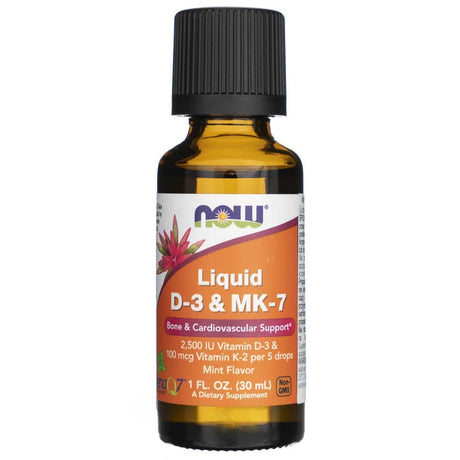


Swanson
Swanson D3- ja K2-vitamiinit - 60 Veg-kapselia
Normaalihinta €15.89Yksikköhinta€0.26 per tuote


Aliness
Aliness K2-vitamiini Mono FORTE MK-7 200 mcg - 60 kapselia
Normaalihinta €14.29Yksikköhinta€0.24 per tuote


Now Foods
Now Foods K2-vitamiini MK-7 100 mcg - 60 Veg-kapselia
Normaalihinta €13.99Yksikköhinta€0.23 per tuote


Capsules, Tablets, or Drops?
ADEK supplements are available in two main formats, each with practical advantages worth considering.
Capsules and Tablets
The most convenient option for most people — no measuring required, long shelf life, and a single daily dose is typical. Many capsule formulations use an oil base (such as MCT oil from coconut) to support fat-soluble vitamin absorption without requiring the supplement to be taken with a fatty meal. The limitation is that some individuals find swallowing capsules difficult, whether due to tablet size, swallowing reflex issues, or chronic conditions affecting the oesophagus.
Drops
Liquid drop formulations absorb quickly, are easy to dose for different age groups and body weights, and are often better tolerated by those who cannot swallow capsules. Oil-based drops in particular provide the fat matrix that fat-soluble vitamins require for absorption. The trade-off is a shorter shelf life once opened and the need to measure each dose. For children or older adults, drops are frequently the more practical choice.
ADEK for Children and Adolescents
Fat-soluble vitamin deficiencies are particularly prevalent among younger populations. Research data suggests that vitamin A deficiency affects approximately 73% of children, vitamin D deficiency between 93–98%, and vitamin E deficiency around 67–70%. These are not marginal shortfalls — they have measurable consequences for growth, immune function, bone development, and cognitive health, and the effects manifest more quickly in children than in adults.
Supplementation in children should use formulations specifically designed for paediatric use, containing lower concentrations appropriate to younger age groups. These are generally suitable from the age of four and are available in child-friendly drop formats. Browse our children's health supplement range for appropriate options.


Now Foods
Now Foods A-vitamiini 10000 IU - 100 pehmytkapseleina
Normaalihinta €6.59Yksikköhinta€0.07 per tuote

 20% alennus
Aliness
Aliness D3-vitamiini FORTE öljy 100 mcg - 120 kapselia
Alennushinta €7.43 Normaalihinta €9.29Yksikköhinta€0.06 per tuote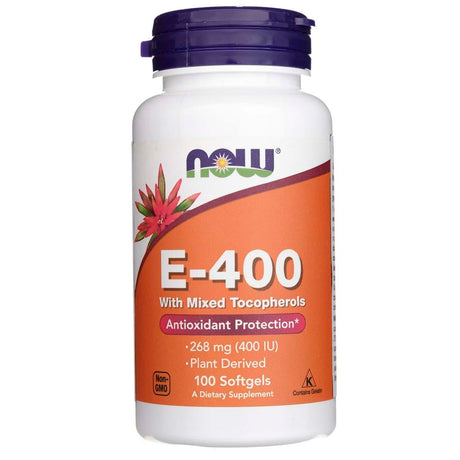


Now Foods
Now Foods E-400-vitamiini, jossa on sekoitettuja tokoferoleja - 100 pehmytkapseliä
Normaalihinta €16.09Yksikköhinta€0.16 per tuote

Aliness
Aliness Luonnollinen E-vitamiini 400 IU - 100 kapselia
Normaalihinta €11.79Yksikköhinta€0.12 per tuote


Solgar
Solgar K2-vitamiini MK-7 100 mcg - 50 Veg-kapselia
Normaalihinta €22.59Yksikköhinta€0.45 per tuote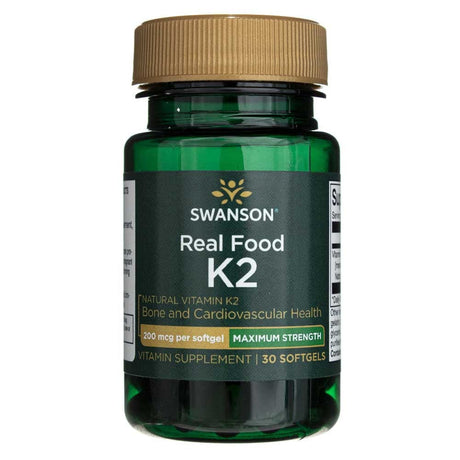


Swanson
Swanson K2-vitamiini 200 mcg - 30 pehmytkapseliä
Normaalihinta €11.09Yksikköhinta€0.37 per tuote


Vitamins A, D, E, and K are not optional extras — they are structural necessities for bone health, immune function, vision, coagulation, and cellular integrity across every stage of life. Supplementation does not replace a balanced diet, but for the large share of the population who fall short of optimal intake through food alone, it offers a safe, practical, and well-evidenced way to close the gap.
Tämä artikkeli on tarkoitettu vain tiedoksi, eikä se korvaa lääkärin neuvoja. Jos sinulla on terveysongelmia, olet raskaana, imetät tai käytät lääkkeitä, kysy neuvoa lääkäriltä tai apteekista. Ravintolisät eivät korvaa monipuolista ruokavaliota.


