

Magnesium is involved in over 300 biochemical reactions in the human body — and most people in Europe do not get enough of it. Fatigue, muscle cramps, sleep problems, and low stress tolerance are among the most recognisable signs of deficiency, yet because the symptoms are non-specific, the underlying cause often goes unaddressed for months or years. Magnesium chloride is one of the most bioavailable and versatile magnesium compounds available — here is how it works and how to use it effectively.
Why Magnesium Matters
Magnesium participates in energy production (ATP synthesis), protein and nucleic acid synthesis, and the regulation of osmotic blood pressure. It supports muscle function, contributes to normal nerve impulse transmission, and plays a role in maintaining electrolyte balance. Its effects on memory, concentration, and mood are increasingly well documented. Importantly, the body uses only the ionised form of magnesium — and despite the mineral being present in many foods, research shows that only 15–30% of dietary magnesium is actually absorbed. That gap is why supplementation has become so widely relevant.
What Is Magnesium Chloride?
Magnesium chloride (MgCl₂) is an inorganic magnesium salt consisting of one magnesium ion and two chloride ions. It is naturally present in seawater and is extracted commercially through evaporation — most valuably from sources with high magnesium concentration, such as the Dead Sea, whose waters contain up to 50.8% magnesium compared to approximately 3.7% in standard seawater.
Among the inorganic magnesium compounds, magnesium chloride has one of the highest absorption rates. It is highly hygroscopic — meaning it absorbs water readily — which contributes to its excellent water solubility and bioavailability. It is most commonly found in the form of small crystalline flakes, a natural result of the crystallisation process used in its production. Explore our full magnesium supplement range for available formats.
Magnesium Chloride Hexahydrate
The most widely used supplemental form is magnesium chloride hexahydrate (MgCl₂·6H₂O) — a hydrated variant that dissolves particularly well in water. Its high solubility makes it especially practical both for oral solutions and for transdermal preparations, and it is generally regarded as one of the most effective inorganic magnesium sources for supplementation purposes.
Deficiency: Who Is at Risk and What Are the Signs?
Magnesium deficiency is often subclinical — meaning it does not announce itself with obvious, specific symptoms. The most common indicators are:
- Muscle cramps and aches
- Persistent fatigue and weakness
- Reduced tolerance to stress
- Difficulty concentrating or sleeping
- Irritability and low mood
- Heart palpitations
Prolonged deficiency carries more serious risks, including impaired nervous system function, increased cardiovascular risk, and a higher susceptibility to anxiety and depression. The following lifestyle and health factors increase deficiency risk: diets high in fat, calcium, or fibre; restrictive weight-loss eating patterns; high coffee or alcohol consumption; chronic stress; long-term pharmacotherapy; and reduced kidney function. If several of these apply, it is worth reviewing your magnesium intake.
Using Magnesium Chloride
Magnesium chloride can be used both orally and transdermally (through the skin). Each route has distinct advantages and the choice often depends on individual digestive tolerance and the intended application.
Oral Use
When taken as a drink — typically dissolved in water — magnesium chloride allows the magnesium to enter the bloodstream directly through the gastrointestinal tract. Its characteristic taste is notable (and not particularly pleasant), so dissolving it thoroughly and consuming it with food is strongly advisable — both for palatability and to reduce the risk of gastric irritation. A key principle applies here: lower concentrations are absorbed more efficiently than high ones, so following the manufacturer's recommended dose is not just a formality. If a dose is missed, do not double the next one.
For oral use, always choose food-grade or pharmaceutical-grade magnesium chloride — products clearly specified as safe for consumption.
Transdermal Use: Baths and Magnesium Oil
Transdermal application is an increasingly popular alternative for those who have difficulty absorbing magnesium orally, or who simply prefer not to drink it. Dissolving magnesium chloride flakes in a warm bath allows absorption through the skin over an extended period. A typical therapeutic bath uses approximately two cups of flakes in a full bath of warm water, with 30 minutes of immersion recommended. Avoid combining with other bath products or chemical additives. Rinse with fresh water afterwards and apply a moisturising lotion — the salt can be drying with regular use.
Magnesium oil (technically a saturated aqueous solution, not an oil) can be applied directly to areas of muscle tension or joint discomfort. Despite its name, it contains no fat — the description refers to its oily, slippery feel when it contacts the skin. It can be massaged into affected areas and left on or rinsed off if skin sensitivity occurs. For hair and scalp care, a diluted magnesium oil spray applied two to three times weekly may help support scalp health and reduce issues such as excess oiliness or flaking.



 5% alennus
BetterYou
BetterYou Magnesiumöljy, Rauhoittava - 100 ml
Alennushinta €19.37 Normaalihinta €20.39Yksikköhinta€19.37 /100 ml

BetterYou
BetterYou Magnesiumöljy, Regenerating - 100 ml
Normaalihinta €20.49Yksikköhinta€204.90 /l


Choosing the Right Magnesium Form
Magnesium chloride is one of several magnesium compounds used in supplementation, and it is not necessarily the best choice for everyone. Its inorganic structure means it is well absorbed but can be less gentle on the digestive system at higher doses compared to some organic forms. For those who prefer oral capsules or tablets, other magnesium forms offer distinct advantages worth knowing.
Magnesium glycinate and bisglycinate — bound to the amino acid glycine, these are among the best-tolerated forms for people with sensitive digestion. They are also associated with calming and sleep-supporting effects, making them a popular choice for evening supplementation. Magnesium malate — combined with malic acid, this form supports energy metabolism and is often chosen by those dealing with fatigue or muscle discomfort. Magnesium citrate — a well-absorbed organic salt with mild laxative effects at higher doses, making it useful where constipation is also a concern. Chelated magnesium — a broad category covering forms where magnesium is bound to amino acids for enhanced uptake, including the widely studied diglycinate and bisglycinate forms.
Browse our range of mineral supplements for the full selection, or explore options specifically tailored to sleep support if evening supplementation is your priority.

Nanga
Nanga Magnesium Glycinate 850 mg - 100 kapselia
Normaalihinta €9.39Yksikköhinta€0.09 per tuote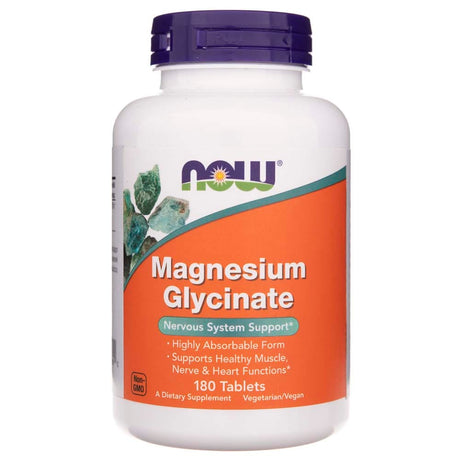


Now Foods
Now Foods Magnesiumglysinaatti 100 mg - 180 tablettia
Normaalihinta €23.69Yksikköhinta€0.13 per tuote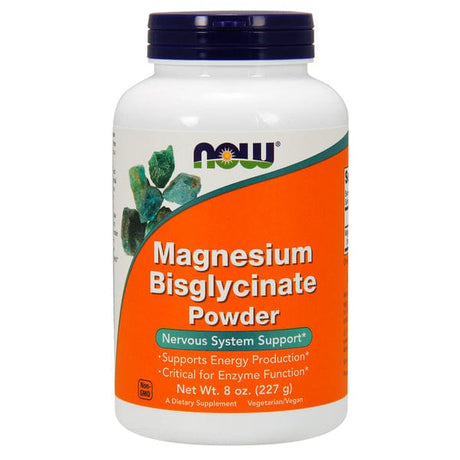
Now Foods
Now Foods Magnesiumbisglysinaattijauhe - 227 g
Normaalihinta €17.79Yksikköhinta€78.37 /kg
Doctor's Best
Doctor's Best Magnesium 100 mg - 240 tablettia - korkea imeytyminen
Normaalihinta €29.39Yksikköhinta€0.12 per tuote


Now Foods
Now Foods Magnesiummalaatti 1000 mg - 180 tablettia
Normaalihinta €21.49Yksikköhinta€0.12 per tuote


The modern diet is structurally prone to magnesium shortfall — and the consequences compound silently over months and years before becoming obvious. Magnesium chloride, whether taken orally or used transdermally, is one of the most accessible and effective tools for addressing this gap. The key is consistency: initial effects may take several weeks to manifest, but with regular use, the impact on energy, muscle function, sleep quality, and stress resilience is well supported by both traditional use and contemporary research.
Tämä artikkeli on tarkoitettu vain tiedoksi, eikä se korvaa lääkärin neuvoja. Jos sinulla on terveysongelmia, olet raskaana, imetät tai käytät lääkkeitä, kysy neuvoa lääkäriltä tai apteekista. Ravintolisät eivät korvaa monipuolista ruokavaliota.


