

Graviola (Annona muricata) is a tropical tree native to Central and South America, growing up to 7–10 meters tall, with large leaves and distinctive fruits that grow directly from the trunk. The fruit — also called soursop or guanabana — is among the largest exotic fruits available, featuring an inedible spiny skin and soft, fragrant flesh used to make juice, desserts, and herbal preparations. In recent years, graviola has attracted intense popular interest following claims that its compounds can fight cancer. The reality is more nuanced — and worth understanding clearly before reaching for a supplement.
What Does Graviola Contain?
All parts of the graviola plant — leaves, fruit, bark, seeds, and roots — contain bioactive compounds, with the most studied being acetogenins, a class of polyketide compounds unique to the Annonaceae family. The leaves and fruit pulp also contain flavonoids, alkaloids, tannins, phenolic acids, and a broad range of vitamins and minerals including vitamin C, B-complex vitamins, potassium, calcium, phosphorus, magnesium, and iron. Graviola fruit is a legitimate whole food with meaningful nutritional value — rich in antioxidants and natural fiber.
What the Research Actually Says About Graviola and Cancer
This is the most important section to read carefully. There is currently no clinical evidence that graviola treats, prevents, or cures cancer in humans. The claims circulating online are based almost entirely on in vitro studies — laboratory experiments performed on isolated cancer cell lines in a dish — and on a smaller number of animal studies. While these results have been scientifically interesting enough to prompt ongoing research, laboratory findings do not translate automatically into clinical effectiveness in the human body.
The acetogenins found in graviola have shown cytotoxic activity against several cancer cell lines in laboratory conditions. However, many naturally occurring compounds — including common household substances — are toxic to cells in a petri dish. The critical questions of bioavailability, safe dosage, selectivity for cancer vs. healthy cells, and actual efficacy in living human tissue have not been answered by published clinical trials. Anyone who tells you graviola cures cancer is overstating what the current evidence supports.
Documented Properties Worth Considering
Setting aside the unproven cancer claims, graviola does have documented properties that make it a legitimately interesting botanical for general wellness support. Its antioxidant activity is well established — the plant's flavonoids and phenolic compounds help neutralize free radicals and reduce oxidative stress, which is relevant to long-term cellular health. Research has documented antimicrobial, antifungal, and anti-inflammatory effects in laboratory settings, and the fruit's nutritional content makes graviola juice a genuinely wholesome addition to a varied diet.
In traditional medicine across Latin America and the Caribbean, graviola has long been used to support sleep, relieve anxiety, manage parasitic infections, and soothe fever — applications that reflect its mild sedative alkaloids and antimicrobial compounds rather than any oncological property.
Safety Considerations
Graviola is not without safety concerns. Long-term or high-dose use of graviola supplements has been associated with potential neurotoxicity — the same acetogenins that showed cytotoxic effects in laboratory cancer studies are also toxic to neurons at sufficient concentrations. Populations in regions where large amounts of graviola are consumed traditionally have shown elevated rates of an atypical form of Parkinson's-like neurological disease. This does not mean that moderate supplementation is dangerous — but it does mean that graviola should not be taken casually or in excessive amounts over long periods, and is not appropriate for children, pregnant women, or people with neurological conditions.
Graviola Supplement at Medpak

Doctor Life
Doctor Life Graviola-uute 500 mg - 100 kapselia
Normaalihinta €18.79Yksikköhinta€0.19 per tuote

Tropical and Rainforest Botanicals with Immune Support Properties
Graviola belongs to a broader family of Amazonian and tropical botanicals that have attracted research interest for their antioxidant and immune-modulating properties. Pau d'Arco (Tabebuia impetiginosa) and Cat's Claw (Uncaria tomentosa) are two South American herbs with better-established safety profiles and a comparable tradition of use for immune, anti-inflammatory, and antimicrobial support. For anyone interested in this category of supplements, they are worth considering alongside or instead of graviola. Explore the full range in our Herbs collection:


Now Foods
Now Foods Kissan kynsi 500 mg - 100 Veg-kapselia
Normaalihinta €9.49Yksikköhinta€0.09 per tuote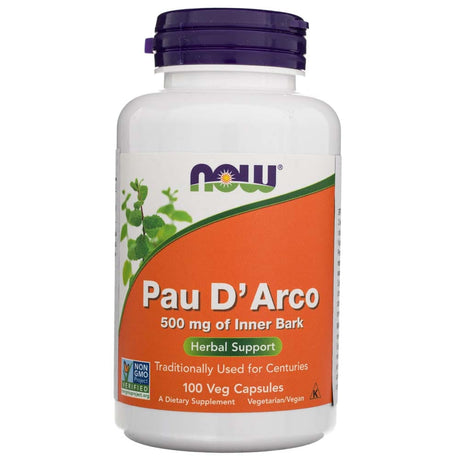


Now Foods
Now Foods Pau D'Arco 500 mg - 100 Veg-kapselia
Normaalihinta €8.59Yksikköhinta€0.09 per tuote


Aliness
Aliness Pau d'Arco (Lapachon kuorijauhe) 500 mg - 100 Veg Kapselit
Normaalihinta €8.79Yksikköhinta€0.09 per tuote


Hepatica
Hepatica Vilcacora (Kissan kynsi) - 60 kapselia
Normaalihinta €7.09Yksikköhinta€0.12 per tuote


Functional Mushrooms: A Better-Researched Immune Support Category
For those drawn to graviola primarily for its immune-modulating potential, functional mushrooms offer a more extensively studied and better-validated option. Reishi (Ganoderma lucidum) in particular has significant human clinical research behind its immunomodulatory polysaccharides (beta-glucans), with a safety profile far better documented than graviola's. Browse our Immune System collection for options:
 15% alennus
Solgar
Solgar Reishi Shiitake Maitake sieniuute - 50 Veg-kapselia
Alennushinta €21.32 Normaalihinta €25.09Yksikköhinta€0.43 per tuote


 25% alennus
Vitaler's
Vitaler's Reishi 400 mg - 60 kapselia
Alennushinta €6.36 Normaalihinta €8.49Yksikköhinta€0.11 per tuote
MycoMedica
MycoMedica Reishi optimaalisessa pitoisuudessa - 90 kapselia
Normaalihinta €31.09Yksikköhinta


Tämä artikkeli on tarkoitettu vain tiedoksi, eikä se korvaa lääkärin neuvoja. Jos sinulla on terveysongelmia, olet raskaana, imetät tai käytät lääkkeitä, kysy neuvoa lääkäriltä tai apteekista. Ravintolisät eivät korvaa monipuolista ruokavaliota.


