

High cholesterol is becoming an increasingly widespread concern, and it can reasonably be considered a modern lifestyle condition — closely linked to excess body fat, including the fat surrounding internal organs. This has driven a growing interest in natural substances that may help manage cholesterol levels while offering additional health benefits. Phytosterols are one such group of compounds, and their influence extends across a remarkable range of processes in the human body.
What Are Phytosterols?
The name "phytosterol" naturally brings cholesterol to mind — and the association is well founded. Phytosterols are plant-derived compounds with a chemical structure and biological function strikingly similar to cholesterol. The key difference is that phytosterols are found exclusively in the plant kingdom. While the human body produces its own cholesterol, phytosterols can only be obtained through diet. In plants, these compounds serve as essential building blocks of cell membranes, where they help strengthen and stabilise cellular structure.
Phytosterols can be divided into two main subgroups: sterols, which contain unsaturated bonds in their molecular structure, and stanols, in which all bonds are saturated. Sterols are far more abundant in nature, while stanols account for only about 10% of all phytosterols. The group as a whole includes more than 40 different substances, with the most well-known and commonly studied being β-sitosterol, campesterol, and stigmasterol. Of these, β-sitosterol alone accounts for nearly half of all dietary phytosterol intake.
How Phytosterols Work in the Body
Cardiovascular Support and Cholesterol Management
One of the most extensively studied properties of phytosterols is their influence on the cardiovascular system. When consumed in adequate amounts, phytosterols may contribute to a significant reduction in both total cholesterol and LDL ("bad") cholesterol. This is possible because of their structural resemblance to cholesterol — phytosterols can take the place of cholesterol in micelles, the tiny particles through which cholesterol is absorbed in the intestines. By doing so, phytosterols effectively inhibit cholesterol absorption in the digestive tract while increasing its excretion from the body. Importantly, phytosterols themselves are absorbed into the bloodstream in only very small quantities.
Antioxidant and Anti-Inflammatory Properties
Phytosterols are also recognised for their ability to inhibit the formation of free radicals and to exert anti-inflammatory and antioxidant effects. By helping to manage inflammatory processes, they may contribute to easing the symptoms of certain autoimmune conditions, including rheumatoid arthritis and psoriasis. These properties complement their cardiovascular benefits and make phytosterols a versatile group of compounds for supporting overall wellbeing. For those looking to broaden their antioxidant intake, our antioxidant supplement collection offers a range of complementary products.
Prostate and Men's Health
β-sitosterol in particular has attracted attention for its potential benefits related to men's health. Research suggests it may help support normal prostate function and contribute to comfort in urinary flow. Men experiencing age-related prostate concerns often seek out β-sitosterol-based supplements as a natural complement to their wellness routine.
Swanson
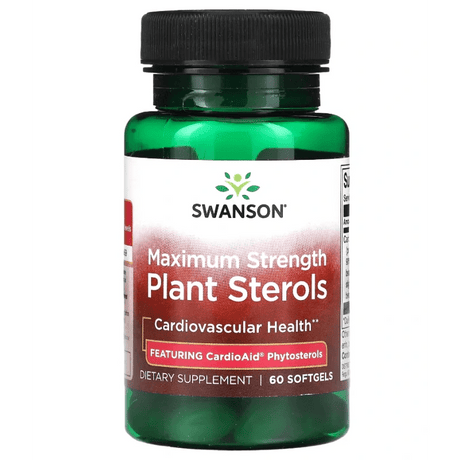
Swanson Suurin vahvuus Kasvisterolit CardioAid - 60 kapselia - 60 kapselia
Normaalihinta €6.69Yksikköhinta€0.11 per tuote
Kenay
Kenay Phytosterols Extra lisättyjen kasvisterolien kanssa - 60 kapselia
Normaalihinta €13.09Yksikköhinta€0.22 per tuote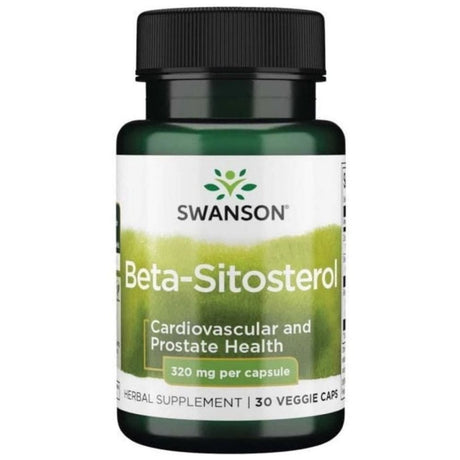
Swanson
Swanson Beeta-sitosteroli 320 mg – 30 kapselia
Normaalihinta €8.29Yksikköhinta€0.28 per tuote


Now Foods
Now Foods Kolesteroli Pro - 120 tablettia
Normaalihinta €51.79Yksikköhinta€0.43 per tuote


Phytosterols in Skincare
Beyond their internal health benefits, phytosterols have also found a place in the world of cosmetics and skincare. They are valued for their ability to strengthen the skin's natural barrier, reduce transepidermal water loss from both superficial and deeper skin layers, and provide protective and moisturising effects. Their regenerating, soothing, anti-inflammatory, and anti-allergic properties make them beneficial for improving overall skin condition.
Additionally, phytosterols exhibit antibacterial and antifungal activity, which can be helpful in managing various dermatological concerns. Perhaps most notably, they may stimulate collagen synthesis — a key process responsible for maintaining skin firmness and elasticity. This makes phytosterol-enriched products interesting not only for health-focused consumers but also for those seeking effective skin and beauty support.
Natural Food Sources of Phytosterols
Phytosterols can be easily incorporated into a daily diet, provided it is rich in plant-based foods. The most concentrated dietary sources include:
- Vegetable oils — the richest source of phytosterols overall
- Sesame seeds and wheat germ
- Nuts — walnuts, peanuts, hazelnuts, and almonds
- Legumes — various types of beans and lentils
- Whole grain products and cereals
Incorporating these foods into your everyday meals is a practical and natural way to benefit from phytosterols' wide-ranging properties. However, for those who find it difficult to consume sufficient amounts through diet alone — or who are specifically looking to support healthy cholesterol levels — phytosterol supplements offer a convenient alternative.
Choosing a Phytosterol Supplement
When selecting a phytosterol or plant sterol supplement, look for products that clearly state the sterol content per serving and specify the types of sterols included. β-sitosterol is the most commonly used and most studied phytosterol in supplement form. Some products combine plant sterols with other cardiovascular support ingredients for a more comprehensive approach.
At Medpak, we carry phytosterol supplements from trusted international brands including NOW Foods, Solgar, Swanson, and Kenay — all available with fast European delivery. Whether your goal is to support healthy cholesterol levels, promote prostate comfort, or enhance your antioxidant intake, plant sterol supplements can be a valuable addition to your wellness routine.
 10% alennus
Pharmovit
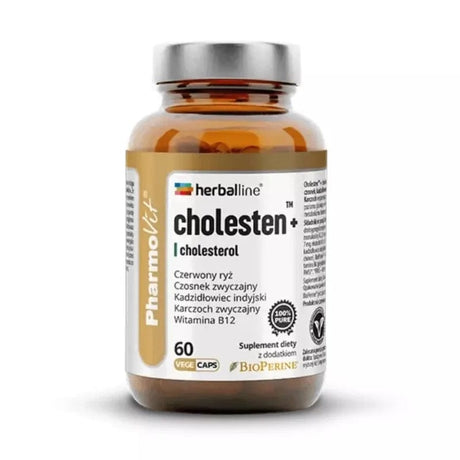
Pharmovit Cholesten - Kolesteroli - 60 kapselia
Alennushinta €10.52 Normaalihinta €11.69Yksikköhinta€0.18 per tuote


Aura Herbals
Aura Herbals My Cholesterol - 60 kapselia
Normaalihinta €11.49Yksikköhinta€0.19 per tuote


Purelab Marek Skoczylas
Skoczylas Kolesteroli - 60 kapselia
Normaalihinta €10.09Yksikköhinta€0.17 per tuote

Progress Labs
Progress Labs Kolesteroli + Prebiootti - 120 kapselia
Normaalihinta €14.49Yksikköhinta€0.12 per tuote


Key Takeaway: Phytosterols are naturally occurring plant compounds with a remarkable ability to support cardiovascular health by helping to manage cholesterol absorption. Their benefits extend to antioxidant protection, anti-inflammatory support, prostate health, and even skincare. Whether through a diet rich in nuts, seeds, and vegetable oils or through targeted supplementation, phytosterols offer a natural and well-researched approach to everyday wellness.
Tämä artikkeli on tarkoitettu vain tiedoksi, eikä se korvaa lääkärin neuvoja. Jos sinulla on terveysongelmia, olet raskaana, imetät tai käytät lääkkeitä, kysy neuvoa lääkäriltä tai apteekista. Ravintolisät eivät korvaa monipuolista ruokavaliota.


